
Cannabis cultivation has become an art as growers look for the most effective ways to boost plant health, optimize yields, and naturally manage pests. One increasingly popular method is the integration of companion plants. The use of companion planting is a practice rooted in tradition, which involves growing different plants in close proximity to create a beneficial ecosystem. Let’s delve into how companion plants can enhance your cannabis cultivation process.
What Are Companion Plants?
Companion planting is an agricultural technique where two or more plant species are grown together for mutual benefit. This synergy can lead to improved growth, pest control, pollination, and increased yields. When it comes to cannabis cultivation, the right companion plants can serve various objectives, such as repelling pests, attracting beneficial insects, enhancing soil quality, and even improving flavor profiles.
Benefits of Companion Planting in Cannabis Cultivation
1. Pest Control
One of the main reasons growers turn to companion plants is for natural pest management. Certain plants can repel harmful insects that may otherwise wreak havoc on cannabis crops. For example:
- Marigolds: Known for deterring nematodes and aphids, marigolds release a scent that repels a variety of garden pests.
- Basil: This aromatic herb has been known to repel whiteflies, mosquitoes, and spider mites, acting as a natural barrier against these pests.
By incorporating these plants into your cultivation, you reduce the need for chemical pesticides, which can be harsh on your cannabis plants and the environment.
2. Attracting Beneficial Insects
While some insects are detrimental to cannabis, others are quite beneficial. Plants like dill, yarrow, and fennel can attract predatory insects such as ladybugs and lacewings that feed on common cannabis pests. This creates a balanced ecosystem where the good insects keep the bad ones in check.
3. Soil Health Improvement
Companion plants can also enhance the quality and structure of the soil. Leguminous plants like clover and alfalfa fix nitrogen into the soil, providing a crucial nutrient for cannabis growth. Meanwhile, deep-rooted plants like comfrey can bring up minerals from deep within the soil, making them available to the shallow-rooted cannabis plants.
By using soil enhancers such as 6" FloraFlex Wool (Basalt Derived), growers can ensure that the base of the soil is rich and capable of supporting the complex needs of a mixed planting system.
4. Improved Plant Growth and Yield
Companion planting fosters an environment where plants can thrive on each other’s strengths, often leading to improved yields and healthier plants. Aromatic plants like chamomile and lavender can enhance the essential oil production of nearby cannabis plants, potentially improving flavor and potency.
5. Biodiversity and Aesthetic Appeal
Incorporating companion plants can lead to a more diverse and visually appealing garden. This biodiversity can be advantageous for both plant health and the aesthetic value of your cultivation space, making it not just productive but also pleasant to work in.
Implementing Companion Planting in Your Cannabis Garden
Step 1: Identify Your Goals
Before you start planting, determine what you want to achieve with your companion plants. Whether it's pest control, enhancing flavor, or soil amendment, having a clear goal will help in selecting the right plants.
Step 2: Choosing the Right Companions
Select plants that will thrive in your specific climate and meet the goals you’ve set. For instance, if you’re focused on improving soil quality, you may opt for clover or comfrey. If pest resistance is a priority, basil or marigolds might be the better choice.
Step 3: Prepare Your Soil
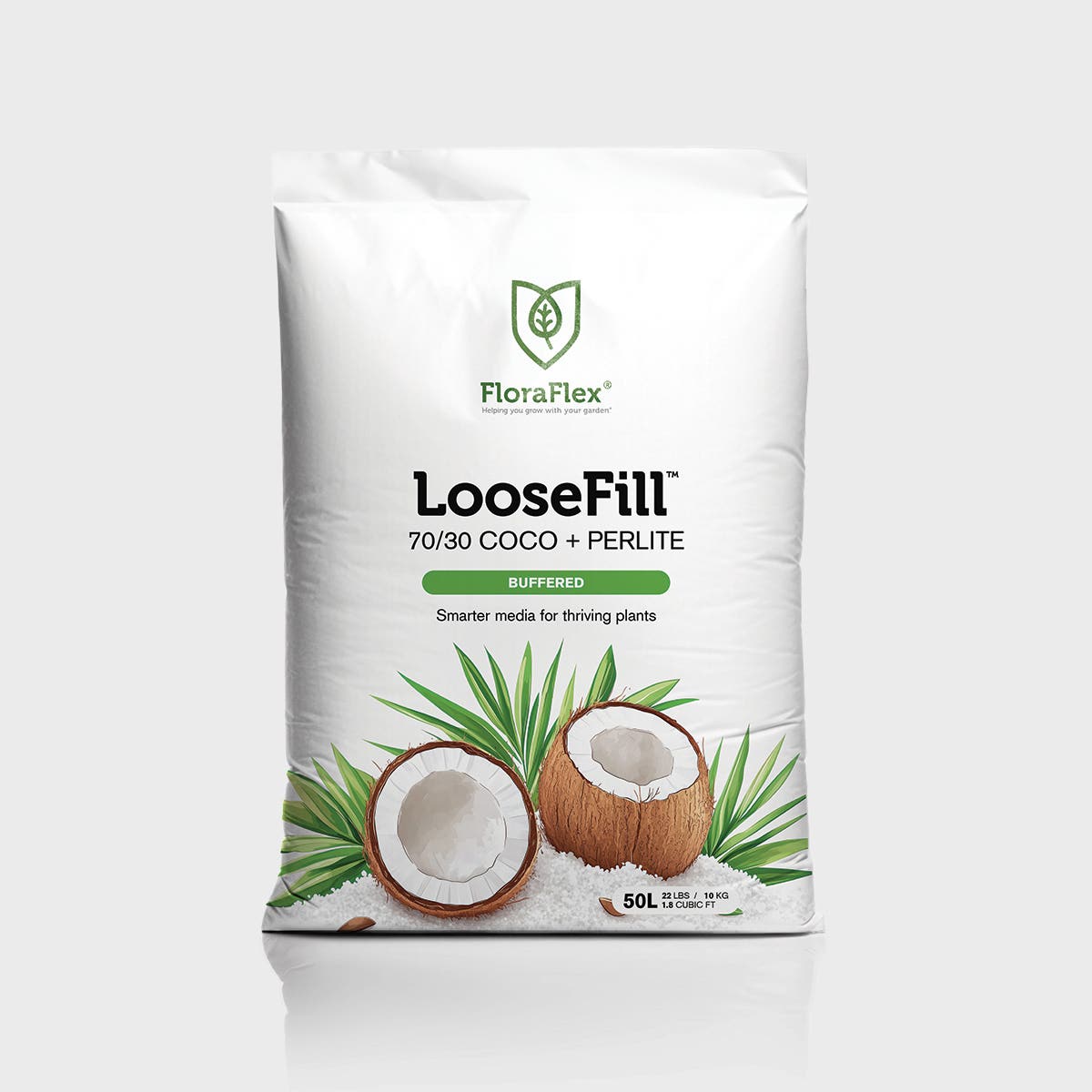
Healthy soil is crucial for the success of companion planting. Consider using products such as Washed 50L LooseFill™ Bag | 70/30 Coco + Perlite or Washed 50L LooseFill™ Bag | 60% WHC Coco Coir to amend the soil and ensure it is well-aerated and hydrated.
Step 4: Planting and Maintenance
Once your garden is prepared, plant your companions at the recommended distances from your cannabis to ensure they don’t compete for resources. Regular maintenance, including pruning and monitoring soil and plant health, will support optimum growth.
Step 5: Monitor and Adjust
Companion planting is not a one-size-fits-all solution. Monitor your garden's progress and make adjustments as necessary. Be attentive to how plants interact, and don’t hesitate to remove or replace companion plants that aren’t providing the expected benefits.
Conclusion
Companion planting is an effective strategy for enhancing cannabis cultivation. With its numerous benefits such as natural pest control, soil enrichment, and improved yields, it’s a practice that every cannabis grower should consider. Whether you’re a seasoned cultivator or a novice gardener, the integration of companion plants can transform your cultivation efforts into a flourishing ecosystem.
Explore our wide range of cannabis cultivation products and learn more techniques to optimize growth by visiting FloraFlex. Find products like the FloraFlex Wool and LooseFill™ Bags to support your unique planting needs.
By incorporating companion plants and using the right tools from FloraFlex, you can create a thriving garden that supports healthy cannabis growth and yields an exceptional product.