The Untold History of LED Grow Lights in Horticulture
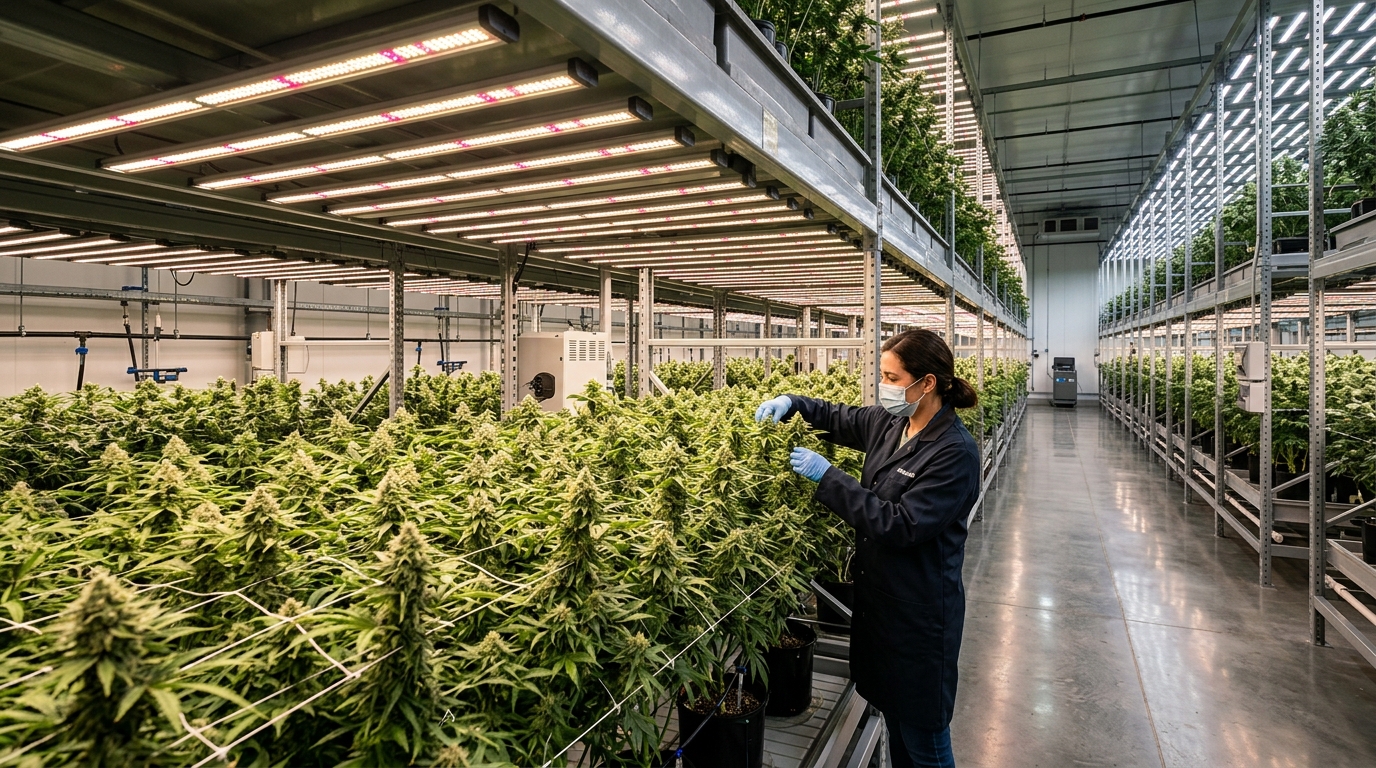
The evolution of horticulture has been marked by innovations that have allowed growers to push boundaries and achieve remarkable results. Among these advancements, the development and adoption of LED grow lights stand out as a game-changer in the industry. While many are familiar with the benefits of LED lighting today, the journey to its widespread use is less well-known. Let's delve into the untold history of LED grow lights and explore how they've transformed horticultural practices.
From Fairy Lights to Horticultural Powerhouses
The journey of LED lights from decorative ornaments to horticultural powerhouses is fascinating. Initially invented in the 1960s, LEDs were simple red lights used in indicator devices. It wasn't until the late 20th century that the variations of LEDs capable of emitting a broader spectrum of light were developed. This capability made them suitable for various applications, including horticulture.
During the early 2000s, researchers began to experiment with LED lighting to see its effects on plant growth, discovering that different light spectrums could influence plant behavior. However, it wasn't just their spectral versatility that caught attention; it was the LEDs' energy efficiency, long lifespan, and lower heat emission that made them particularly appealing for indoor and controlled environment agriculture.
The Boon of Energy Efficiency
Traditionally, growers relied on High-Intensity Discharge (HID) lights, which, while effective, consumed significant amounts of electricity and emitted a great deal of heat. The introduction of LED grow lights provided a welcome alternative. They offer a more sustainable and cost-effective solution as they consume far less electricity and have a longer operational life.
One of the notable products in this revolution is the FloraFlex LED Light - 900W | Pallet | 60ct, which exemplifies the blend of efficiency and superior light quality that modern horticulture demands. These lights not only provide the necessary light spectrum for optimal plant growth but also ensure growers can maintain an eco-friendly operation without compromising on performance.
Customizing the Growth Environment
Another breakthrough with LEDs is the ability to control the light spectrum and intensity, tailoring the environment to suit specific plant needs at various growth stages. This capability is enhanced by products like the FloraFlex Master Lighting Controller 2, which enables precise adjustments and automation of lighting schedules. This level of control was unimaginable with traditional lighting systems, marking a significant leap in growing technology.
Safety and Sustainability
As concerns about sustainability and safety continue to shape horticultural practices, LEDs have emerged as a preferred choice due to their reduced environmental impact. Products like the 120V LED Power Cord | 10FT | Case support the safe and effective use of LED systems, offering reliability and ease of integration into existing setups.
The Future of LED Grow Lights in Horticulture
The untold history of LED grow lights is a testament to the power of innovation in transforming industries. As technology advances, we can expect further enhancements in LED systems, reinforcing their role as a vital component of modern horticulture.
For those interested in embracing cutting-edge horticultural technology, explore more about our products at FloraFlex.
Disclaimer: The information shared in this blog post reflects general historical points regarding LED technology and its application in horticulture and does not substitute for expert advice tailored to your specific circumstances.


