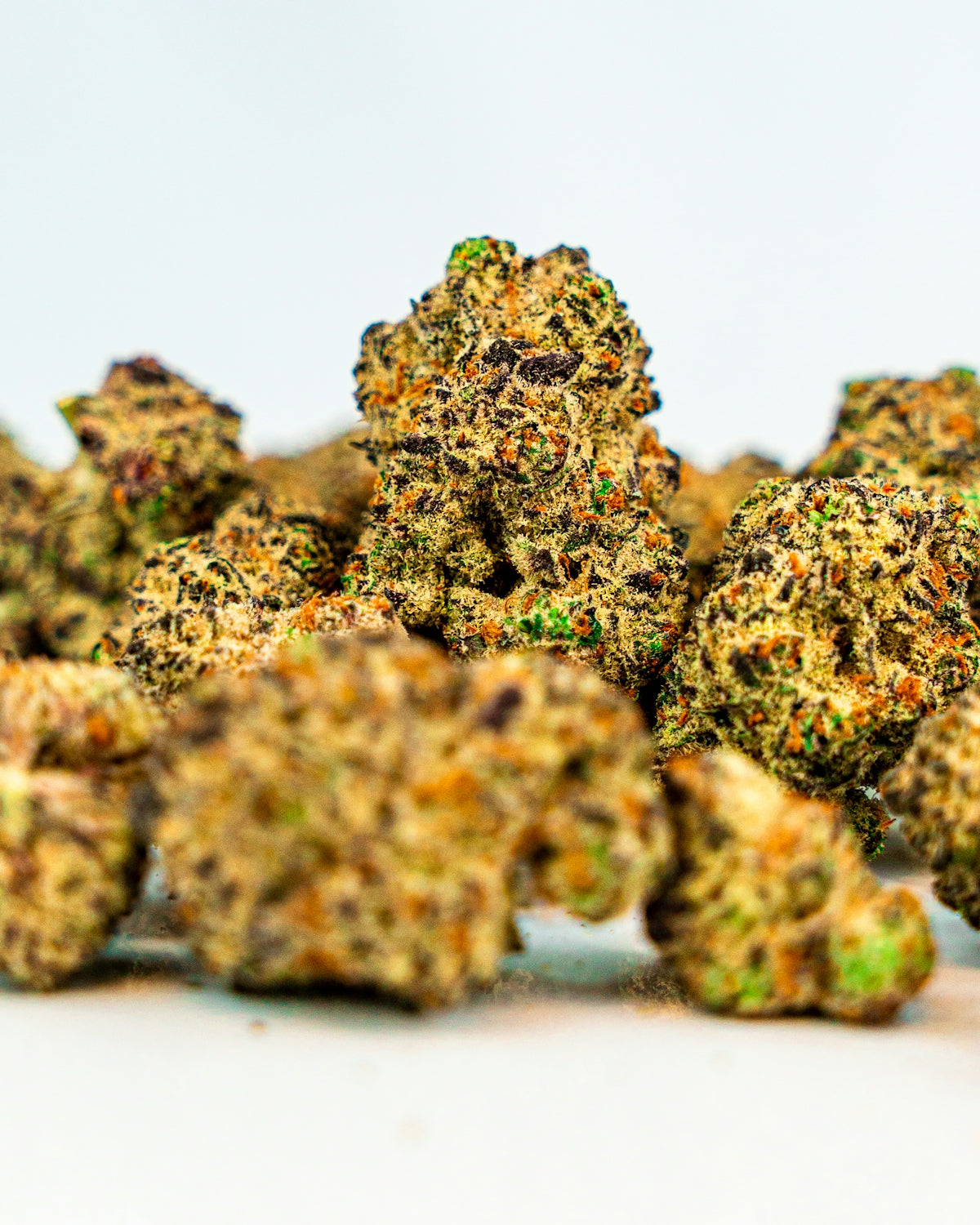
Cannabis cultivation has been an evolving practice, steeped in history and advancements in agricultural technology. From ancient methods to modern innovations, the journey of cannabis cultivation offers a fascinating glimpse into human ingenuity and adaptation. In this blog post, we will explore the transformations that have defined the cultivation of cannabis, highlighting significant developments and emerging trends. For more information on the latest cultivation tools and products, visit FloraFlex.
The Roots of Cannabis Cultivation
Ancient Beginnings
Cannabis cultivation has origins dating back thousands of years. Historical evidence suggests that cannabis was one of the first plants to be cultivated by humans. Ancient societies in Asia used cannabis for a wide range of purposes, including textiles, food, and spiritual ceremonies. Archaeological discoveries in China indicate the use of cannabis fibers for textiles around 4,000 BCE, showcasing its longstanding importance.
Traditional Practices
For centuries, cannabis cultivation was primarily an outdoor practice. Farmers relied on natural sunlight, soil, and rain, following the growth patterns determined by the seasons. Traditional techniques often involved simple planting and harvesting methods with minimal alterations to the plants' natural environment. These practices established the foundation for the plant's lineage and its adaptation to diverse climates.
The Shift to Indoor Cultivation
The Introduction of Controlled Environments
The 20th century marked a significant change in cannabis cultivation with the transition to indoor growing. As demand for cannabis increased, growers sought more predictable and controlled environments. Indoor cultivation allowed for year-round planting, as growers could simulate optimal conditions regardless of external weather patterns.
This shift led to innovations in lighting and climate control. Growers began using high-intensity discharge (HID) lighting systems to mimic natural sunlight, enabling plants to photosynthesize effectively indoors. This era also saw the introduction of ventilation systems, fans, and humidity control, which together provided the ideal environment for cannabis growth.
Navigating Growth Media
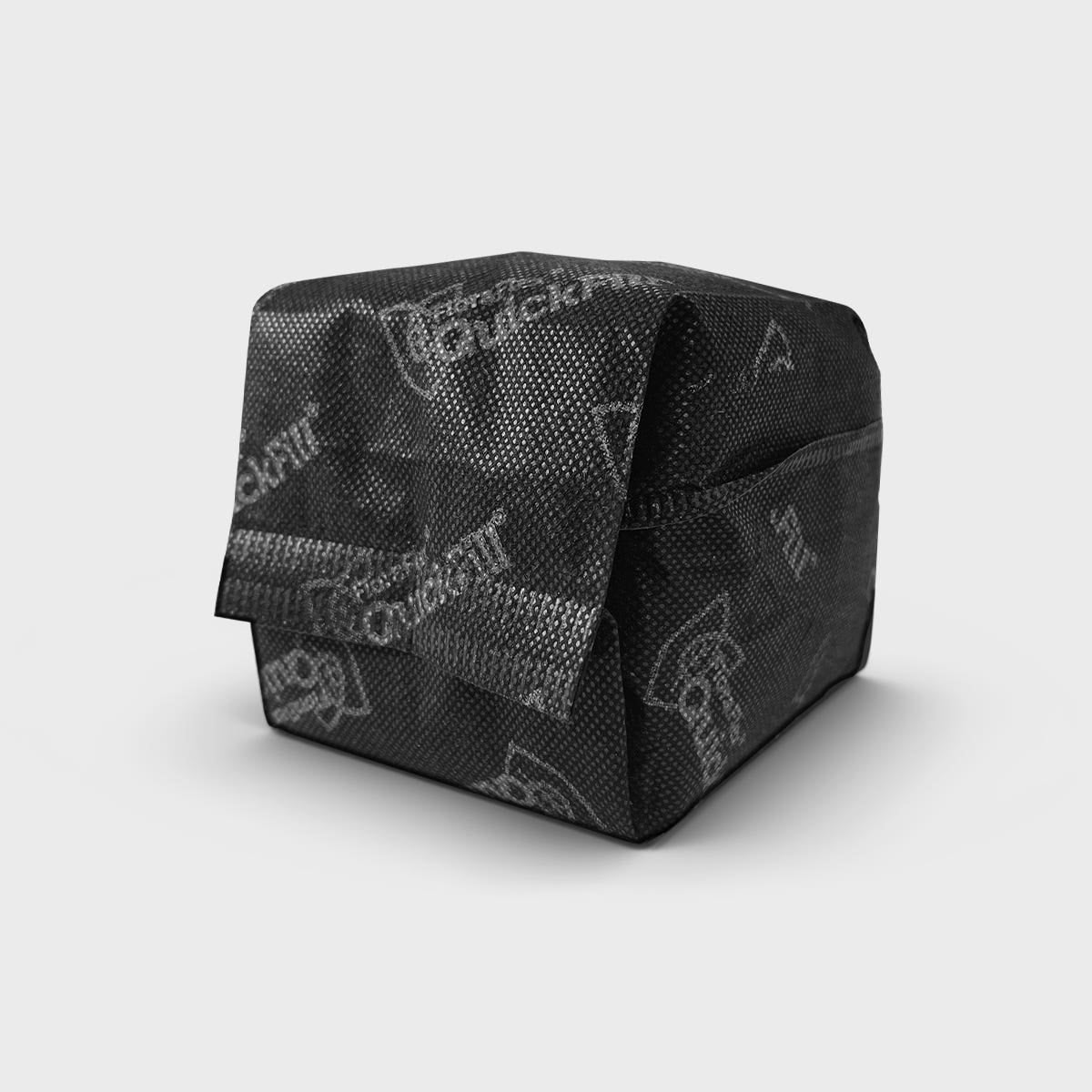
The innovation in cultivation strategies also extended to the growth medium. Traditional soil began to be complemented with alternative substrates, designed to offer better control over nutrient uptake and water retention. Products like the 6" FloraFlex Wool (Basalt Derived) represent modern solutions that lend themselves to effective indoor growing, offering cultivators precise control over moisture and aeration.
The Rise of Hydroponics
A Soil-Less Revolution
Hydroponics emerged as a groundbreaking technique in cannabis cultivation, eliminating the need for soil altogether. By delivering nutrients directly through water, hydroponic systems offer a high level of efficiency and precision. This method provides plants with immediate access to nutrients, fostering faster growth rates and higher yields.
Embracing Innovation with Growing Media
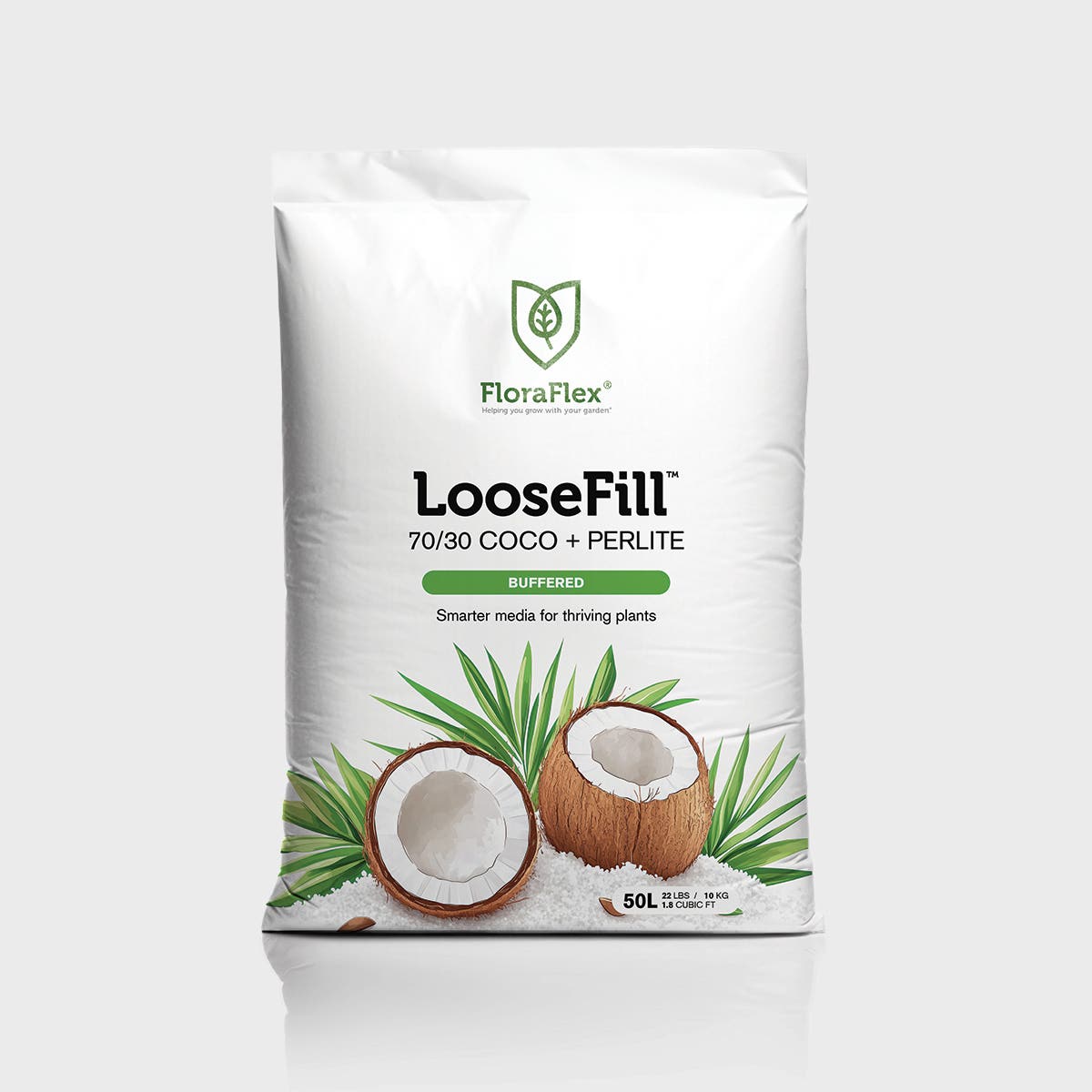
To complement hydroponic systems, cultivators employ specialized growing media to anchor the plants and assist with nutrient delivery. The use of coco coir and perlite, like in the Washed 50L LooseFill™ Bag | 70/30 Coco + Perlite, supports plant health by optimizing drainage and aeration. The versatile Washed 50L LooseFill™ Bag | 60% WHC Coco Coir further demonstrates the adaptability of modern growing techniques, offering a refined balance of water retention and air space.
The Organic Movement and Sustainable Practices
Rethinking Cannabis Cultivation
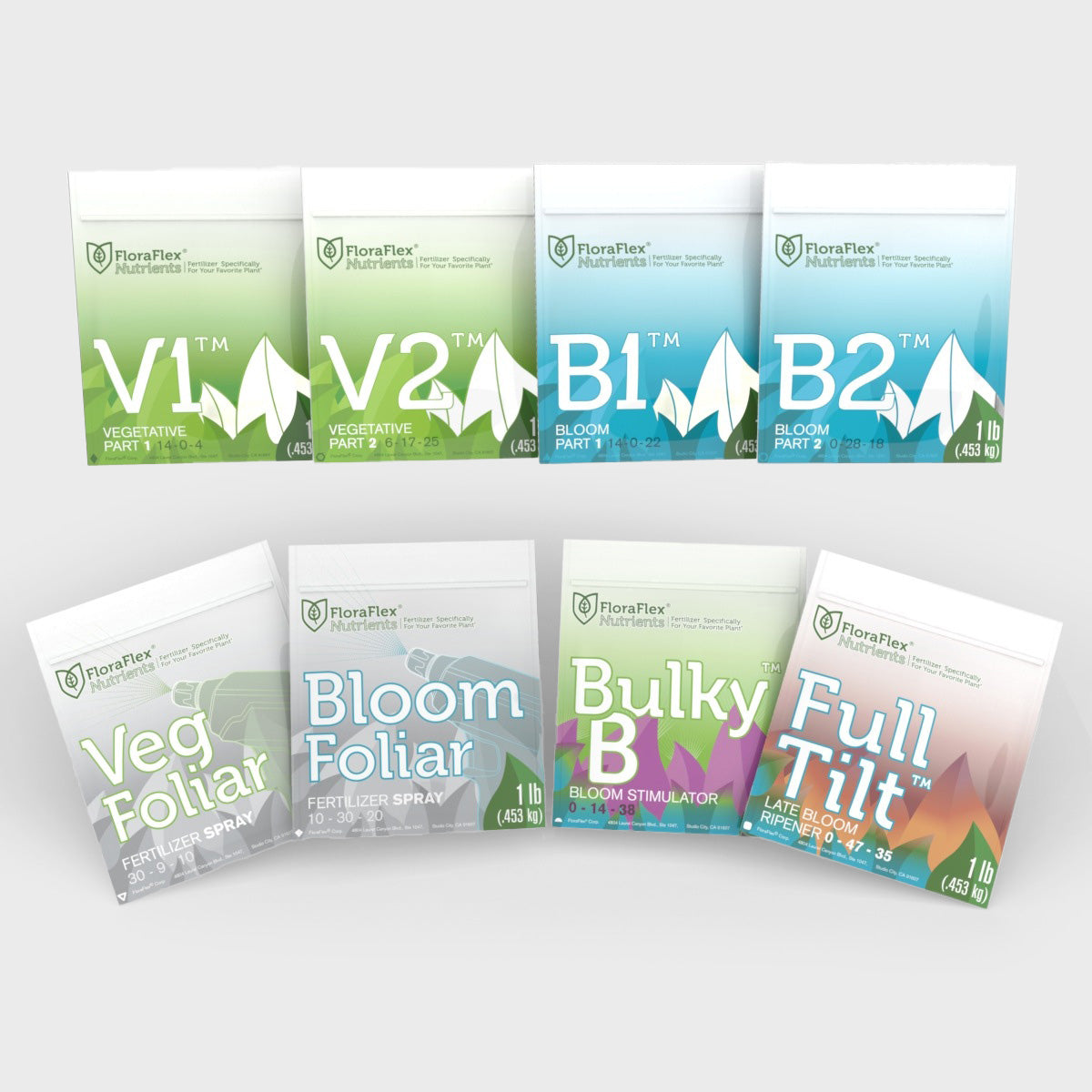
As awareness of environmental issues grew, so did the demand for sustainable cultivation practices. Many modern growers are embracing organic techniques, which prioritize ecological health and sustainability. Organic cultivation often involves the use of natural fertilizers and pest control methods, aiming to minimize the carbon footprint of cannabis production.
Sustainability in Action
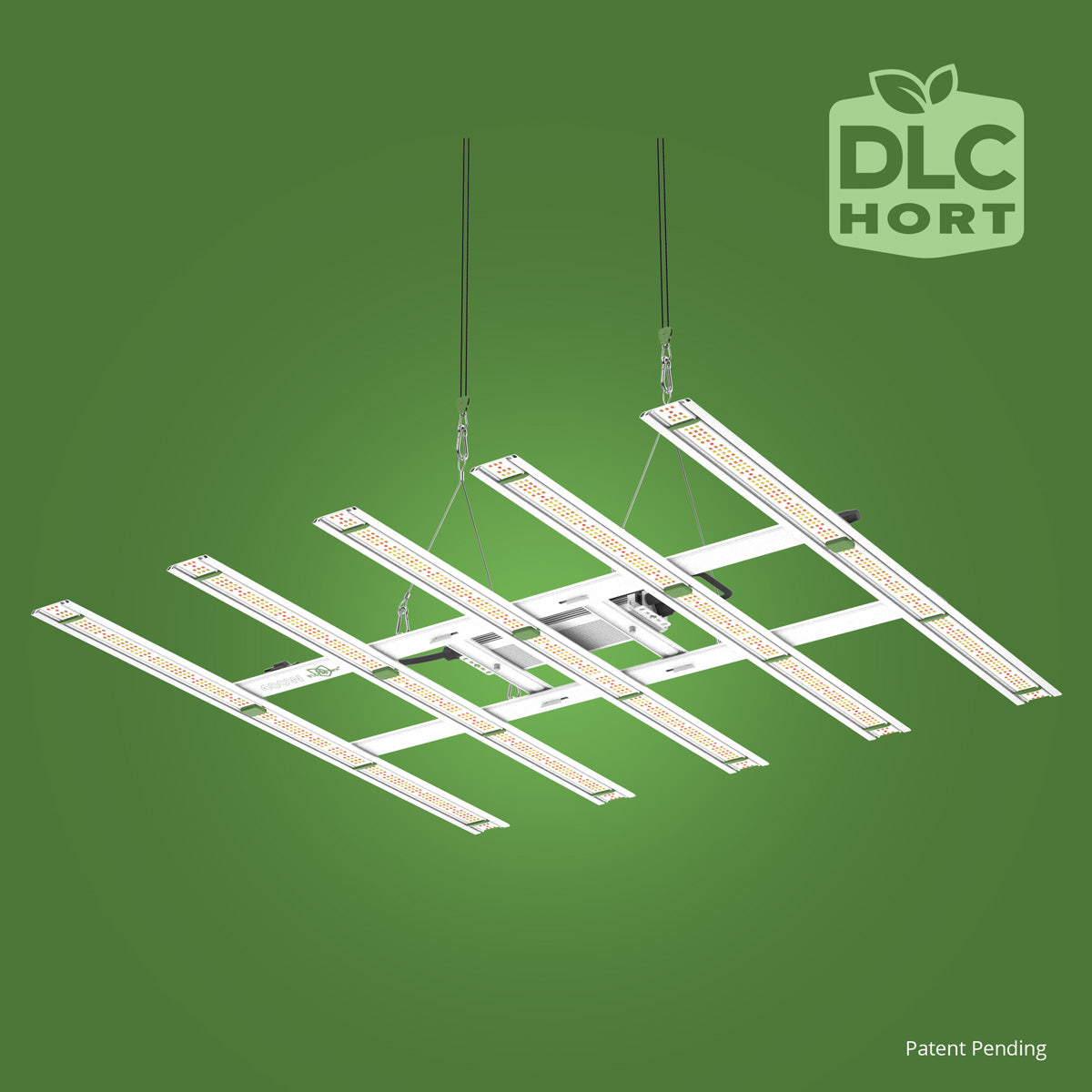
Sustainability has become a core consideration for contemporary cultivators. Innovations such as energy-efficient LED lighting, water recycling systems, and organic nutrient blends are being adopted to reduce the environmental impact. The growing emphasis on sustainability not only benefits the planet, but also enhances the perceived quality and value of the cultivated cannabis.
Looking to the Future: Advanced Technologies
Smart Cultivation Systems
Emerging technologies are poised to further transform cannabis cultivation. Smart growing systems that utilize IoT and automation are becoming increasingly popular. These systems employ sensors to monitor environmental conditions, delivering precise adjustments to optimize plant health and yield.
Genetic Advances
Research into cannabis genetics continues to unlock new possibilities. With technologies such as CRISPR, scientists can explore the development of strains with specific characteristics, such as higher cannabinoid content or increased pest resistance. These advancements hold the promise of revolutionizing the cannabis cultivation landscape.
Conclusion
The evolution of cannabis cultivation is a testament to the dynamic nature of agriculture and human innovation. From ancient fields to cutting-edge indoor facilities, the journey of cannabis has been one of adaptation and improvement. As we look to the future, the marriage of technology and sustainability will undoubtedly continue to shape the way we cultivate this remarkable plant.
To explore advanced cultivation products that align with these evolving trends, consider visiting FloraFlex for high-quality solutions that can enhance your growing experience.