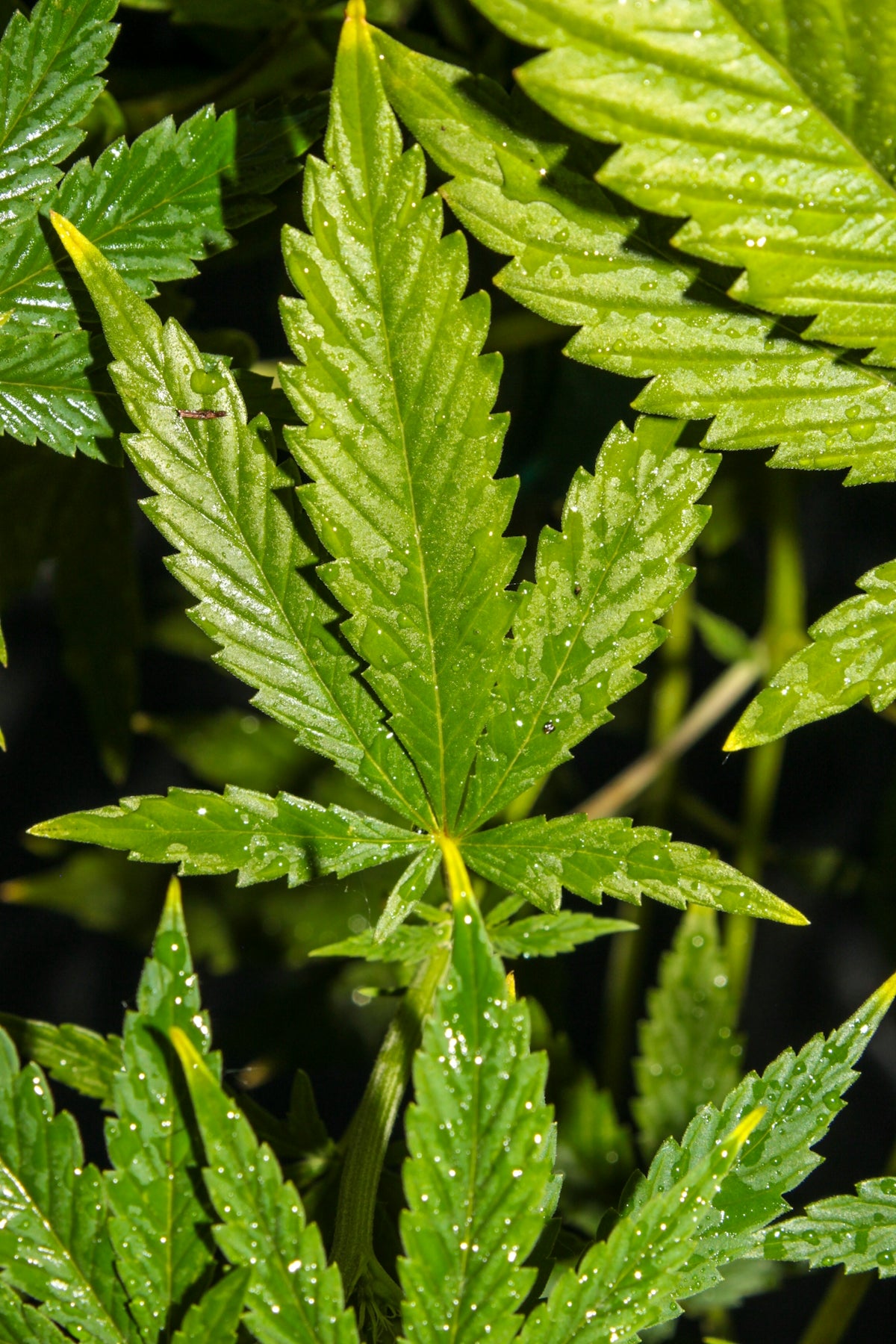
Cannabis cultivation holds the promise of lush, thriving plants yielding quality harvests. However, this promise can sometimes be overshadowed by one of the most insidious pests in the growing environment: mold. In this guide, we’ll walk you through identifying and managing mold in your cannabis crop to ensure you achieve the bountiful yields you desire.
Recognizing Mold in Cannabis Crops
Identifying mold early in your cannabis plants can save your crop from severe damage or total loss. There are several types of mold that growers should be vigilant about, including:
1. Powdery Mildew
Powdery mildew appears as white, powder-like spots on the leaves and buds of plants. It is often easy to spot due to its distinctive appearance. Left unchecked, this type of mold can quickly spread throughout a grow room, especially in environments with poor air circulation and high humidity.
2. Botrytis (Bud Rot)
Botrytis, also known as bud rot, affects the buds and can devastate yields if not identified and managed promptly. It typically begins inside dense buds, making early detection challenging. Initial signs include brown or gray fuzz and dead spots on buds that spread rapidly in high humidity conditions.
3. Sooty Mold
Sooty mold is indicative of a secondary issue. Typically, it grows on the honeydew excreted by pests such as aphids or whiteflies. If you notice black patches forming on leaves, it's a sign that you need to address an underlying pest problem along with the mold.
Causes of Mold in Cannabis
Preventing mold before it forms is always better than trying to eradicate it. Understanding the conditions that favor mold development is critical:
- High Humidity: Molds thrive in humid environments. Keeping relative humidity below 50% during the day is crucial, especially during the flowering phase.
- Poor Ventilation: Stagnant air can create perfect conditions for mold growth. Ensure your grow space is well-ventilated.
- Overcrowding: Dense canopy growth limits airflow and light penetration, fostering mold.
- Temperature Fluctuations: Large temperature swings from day to night can cause moisture accumulation on plants.
Managing Mold in Cannabis
Addressing mold effectively relies on a combination of preventative measures and active treatments. Here are some proven methods to manage mold issues:
1. Control Humidity and Temperature
Maintaining optimal environmental conditions is key. Consider using dehumidifiers and fans to keep humidity levels under control, and ensure a consistent temperature range with proper heating and cooling systems.
2. Optimize Growing Medium
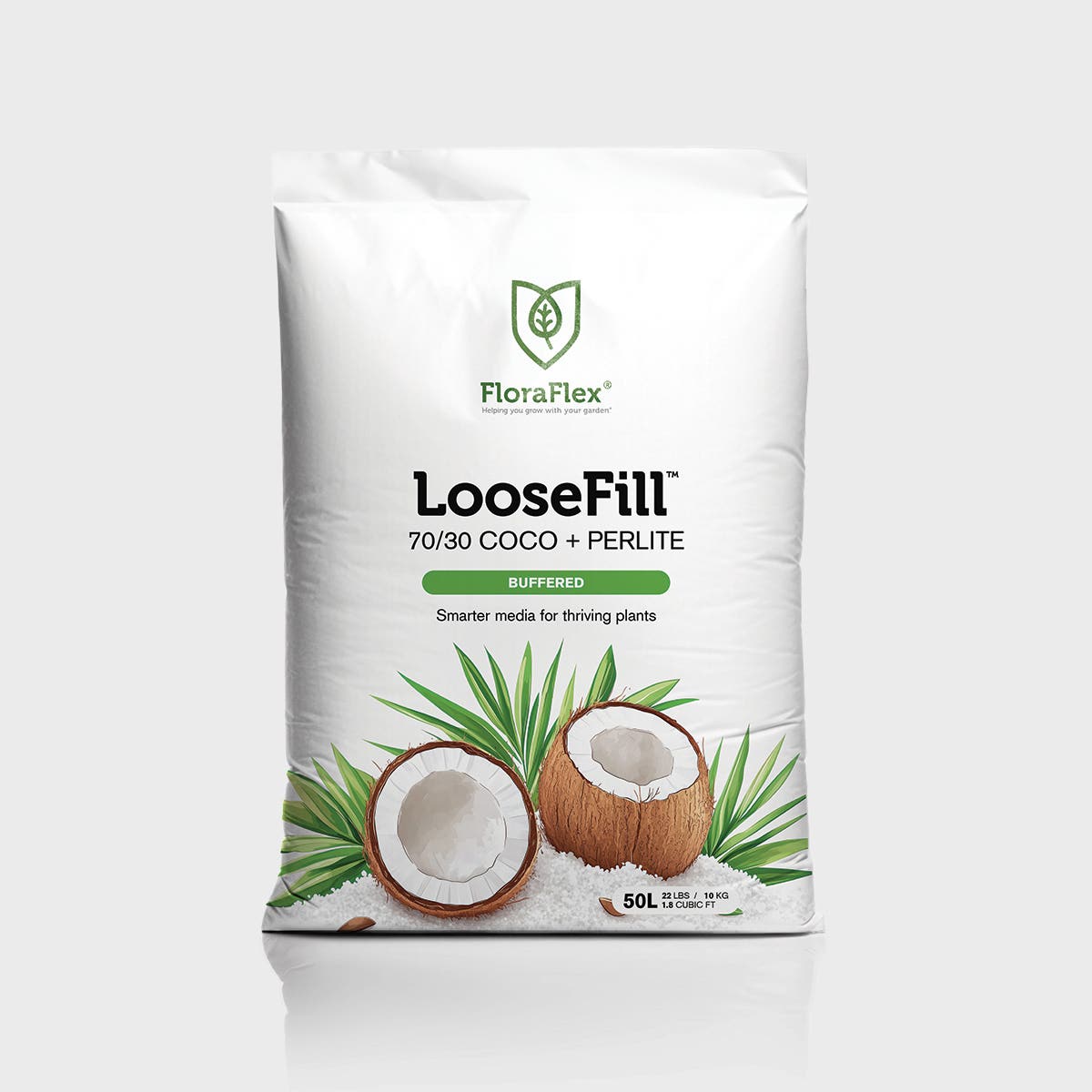
Choosing the right growing medium can mitigate the risk of mold. Coco coir, when combined with perlite, provides excellent aeration and drainage. The Washed 50L LooseFill™ Bag | 70/30 Coco + Perlite by FloraFlex is an optimal choice for growers seeking a medium that helps manage moisture levels efficiently.
For those looking for a product that retains a perfect water holding capacity, the Washed 50L LooseFill™ Bag | 60% WHC Coco Coir offers a balanced ratio of water retention and aeration.
3. Ensure Proper Airflow
Arranging fans to promote air movement around your plants is crucial. This airflow helps prevent moisture from building up on plant surfaces. A spacing strategy that avoids overcrowding will further enhance ventilation.
4. Early Detection and Pruning
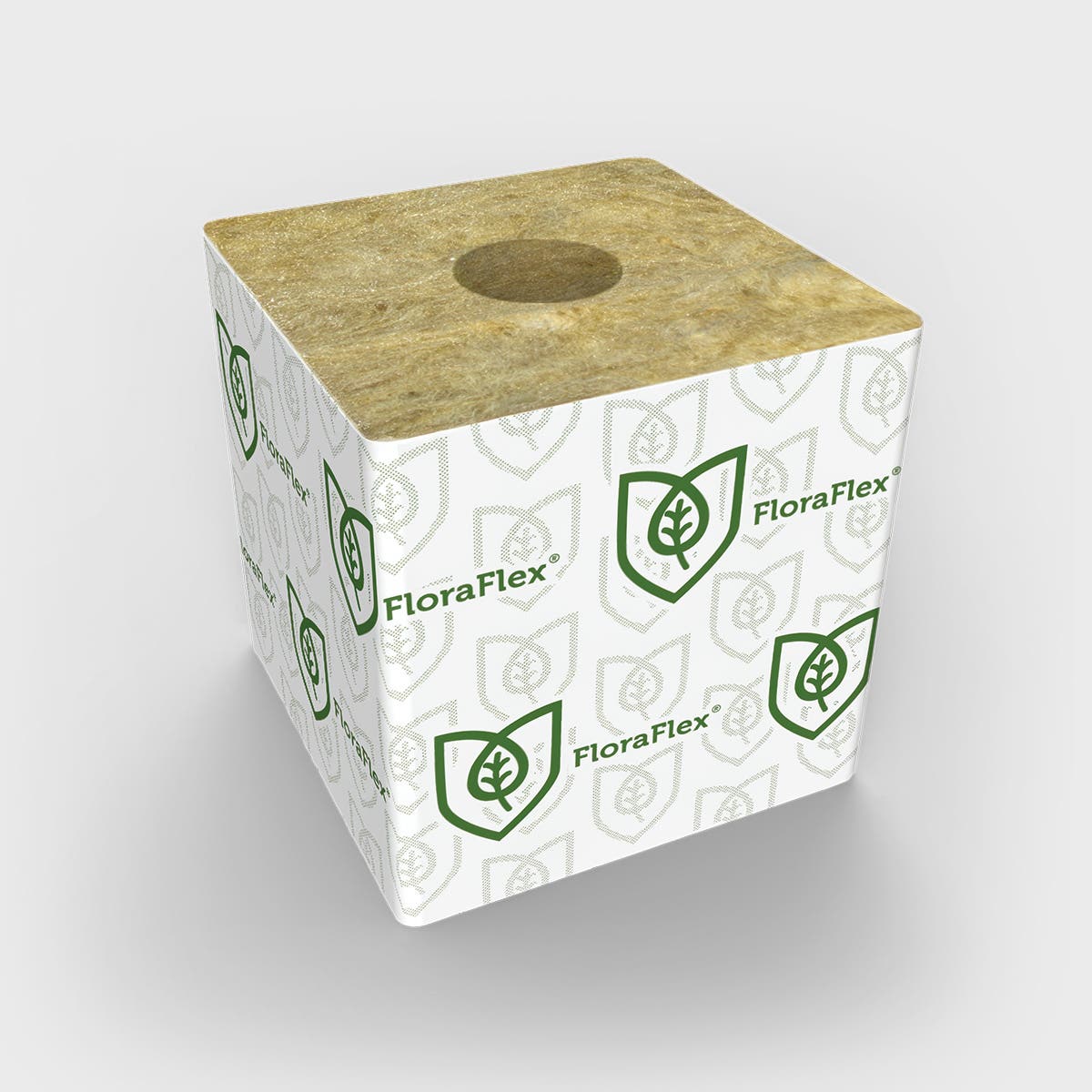
Regular inspection of plants can help catch mold early. Remove any infected foliage or buds immediately to prevent spread. Using a product like the 6" FloraFlex Wool, which is designed for optimal root aeration and moisture management, can also help in maintaining plant health and reducing mold risks.
5. Chemical and Organic Treatments
There are various chemical and organic fungicides available that can be used to treat mold. However, one should use chemical options cautiously and as a last resort to prevent affecting plant health and safety.
Long-Term Mold Prevention Strategies
Adopting mold prevention strategies will benefit your plants in the long run and enhance the quality of your yields:
- Integrated Pest Management (IPM): Employ tactics such as beneficial insects or organic controls to manage pest populations and indirectly prevent sooty mold.
- Plant Training Techniques: Techniques such as topping, fimming, and lollipopping help improve airflow by preventing overly dense plant structures.
- Sanitation: Keep your grow area clean from debris and fallen plant matter, as these can harbor spores.
Conclusion
Mold can be a formidable adversary to cannabis cultivation, but with the right knowledge and preparation, it's an issue that can be managed effectively. Employ strong prevention and early detection strategies, and use high-quality materials like those offered by FloraFlex to build a robust foundation for healthy, mold-free cannabis plants.
For more information on growing solutions and products, visit FloraFlex here.