The history of grow lights is as fascinating as the development of plants themselves. From the early days of cumbersome incandescent bulbs to the cutting-edge technology of modern-day LED grow lights, each era in lighting technology has contributed to what we now enjoy as an essential tool in indoor gardening. Today, we'll take a journey through time and explore how history has shaped the development of the LED grow lights we use today.
The Beginnings of Grow Lighting
The concept of artificial lighting for plants dates back to the early 19th century when scientists began experimenting with electric light to understand photosynthesis better. Incandescent bulbs were among the first to be used in this experiment-driven era, offering a rudimentary form of artificial lighting. However, these bulbs were not energy-efficient and produced more heat than light, which was not ideal for plant growth.
The Advent of Fluorescent and HID Lights
As technology advanced, the 20th century brought about fluorescent and High-Intensity Discharge (HID) lights. These were more efficient than incandescent bulbs and had a better spectrum distribution for plant growth. HID lights, such as metal halides and high-pressure sodium (HPS) lights, became popular in the horticultural world, particularly for their powerful light output. However, they still had drawbacks such as high energy consumption and significant heat production.
The Rise of LED Technology
The real game-changer came with the development of LED (Light Emitting Diode) technology. Initially, LEDs were used in various applications like indicator lights and digital displays but weren’t considered viable for horticultural purposes due to their limited light spectrum. However, as research progressed, LEDs began to offer multiple advantages over their predecessors. They are highly energy-efficient, produce minimal heat, and can be tailored to emit specific light spectrums most beneficial for plant growth.
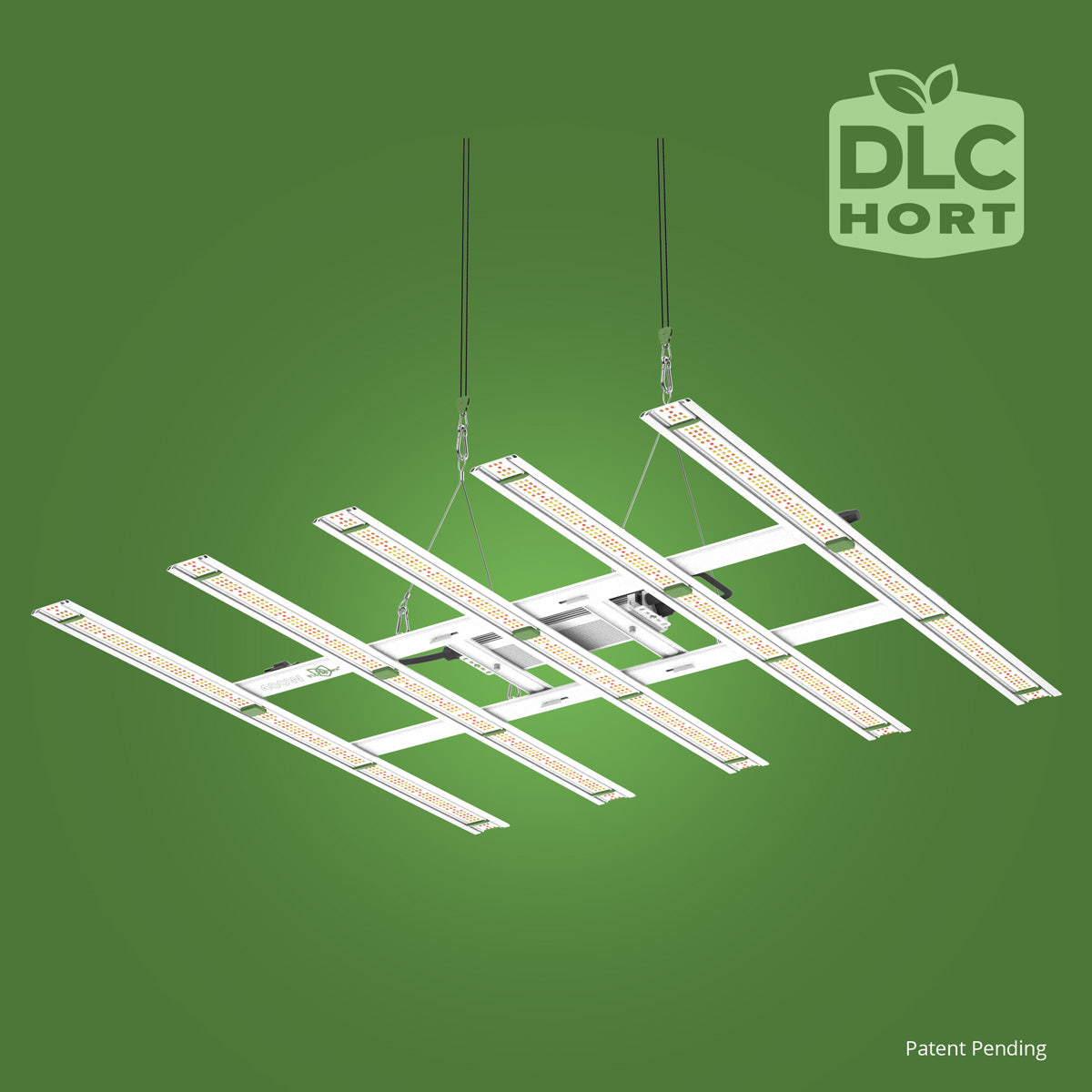
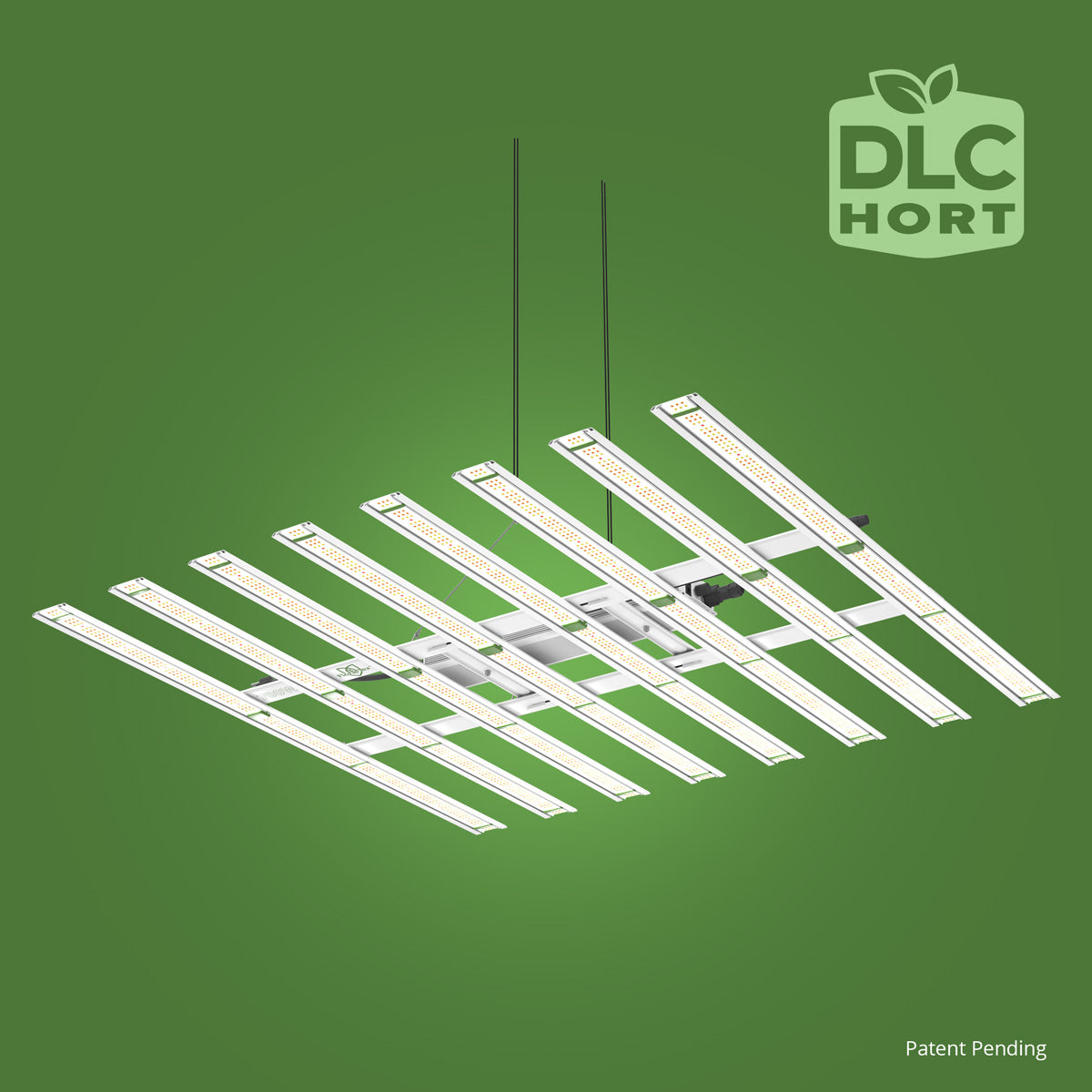
The modern-day LED grow lights have evolved through continuous innovation. Today, companies like FloraFlex offer state-of-the-art grow lights like the Patent Pending 900W Full Spectrum LED Grow Light with Custom Diodes, which are engineered to provide optimal lighting conditions for all stages of plant growth. These lights represent the culmination of decades of research and development.
Integrating Technology in Grow Lights
Today's LED grow lights are not just about the lighting elements themselves. The integration of smart technologies allows for precise control over the growing environment. For instance, the FloraFlex Master Lighting Controller 2 provides growers the ability to control their lighting systems with unmatched precision. This kind of innovation empowers growers to simulate natural growth conditions, offering an opportunity to cultivate plants year-round regardless of external weather conditions.
Despite their advancements, LED grow lights continue to rely on key components to function effectively. Products like 120V LED Power Cord | 10FT become essential in ensuring these lighting systems operate efficiently and securely.
Conclusion
The evolution of LED grow lights reflects not only technological advancement but also a deeper understanding of plant growth needs. What started as basic experimentation has blossomed into a sophisticated industry that supports sustainable agriculture and indoor gardening. As we look to the future, companies like FloraFlex will continue to pioneer innovations in lighting technology, driving the agricultural industry to new heights.
For more information on products and solutions, visit FloraFlex's official website.