How Historical Innovations in Lighting Led to the Adoption of LED Grow Lights in Gardening
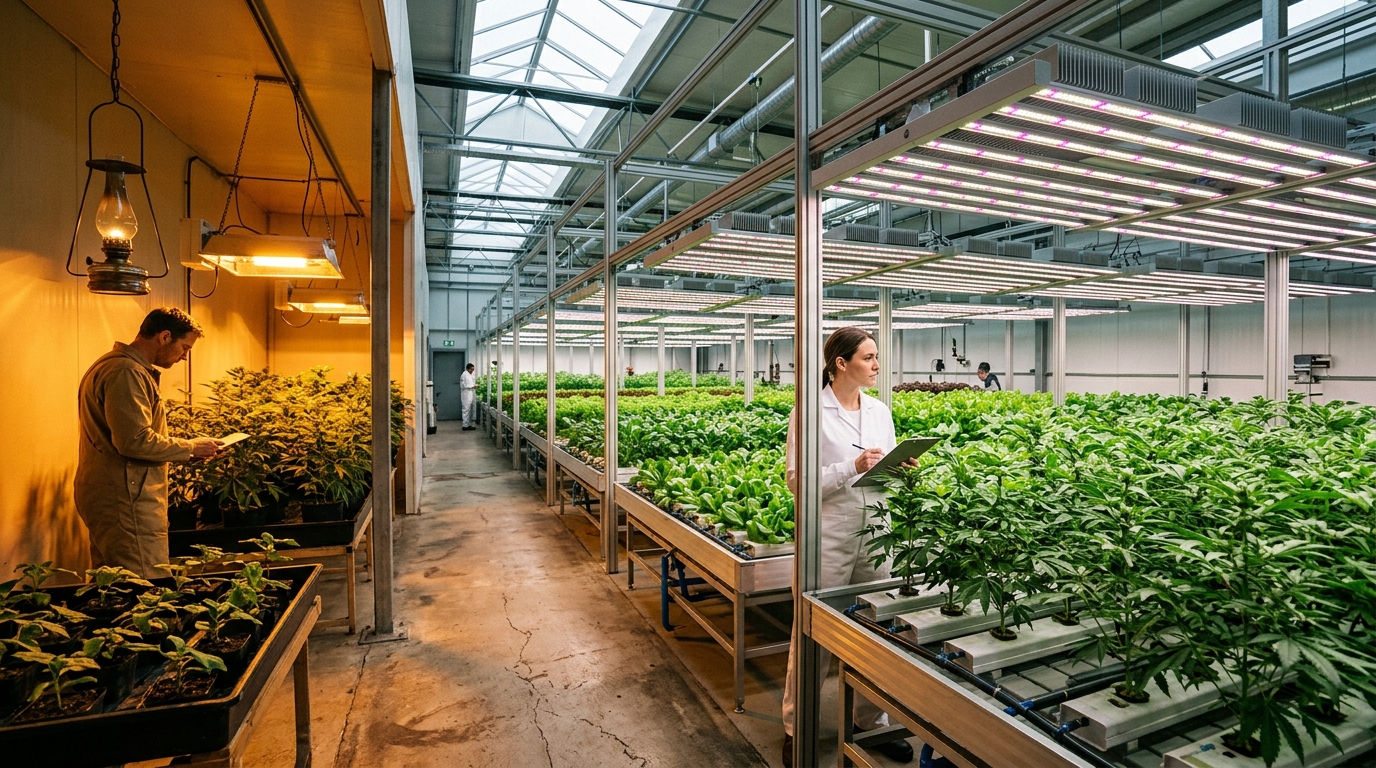
The Journey of Lighting in Gardening
Gardening has always been a practice deeply intertwined with the cycles of nature, primarily reliant on sunlight as the key source of energy for plant growth. Over time, as our understanding of plant biology has evolved, so too have the methods we use to cultivate plants, especially indoors or in controlled environments. The significant stride from relying purely on sunlight to utilizing advanced LED grow lights for gardening is a testament to human ingenuity and adaptability.
The Early Days of Artificial Lighting
The history of artificial lighting in gardening began with simple incandescent bulbs, primarily used to extend the daylight hours for plants, helping them to thrive in less-than-ideal lighting conditions. However, the inefficient energy conversion and excessive heat production made incandescents a less suitable option for dedicated plant growth.
Advancements with Fluorescent Lights
With the advent of fluorescent lighting, gardeners gained a more efficient solution. Fluorescent lights provided a better spectrum for plant growth than incandescent bulbs, and their cooler operation allowed them to be placed closer to plants without the risk of heat damage. Despite these improvements, they still fell short in providing full spectrum lighting, crucial for optimal photosynthesis.
Entering the Era of High-Intensity Discharge Lights
High-Intensity Discharge (HID) lights were the next step forward, offering greater intensity and efficiency, which spurred their popularity among professional growers. Although they were a marked improvement over earlier technologies, HID lights required elaborate cooling systems to mitigate their substantial heat emissions, which added complexity and cost to their use.
The LED Revolution
The development and commercialization of LED technology revolutionized the approach to indoor gardening. LEDs are renowned for their energy efficiency, longevity, and versatility in spectrum output, making them exceedingly suitable for plant cultivation.
One notable advancement in this field is the Patent Pending 900W Full Spectrum LED Grow Light with Custom Diodes from FloraFlex. This innovation provides a spectrum finely tuned to the needs of plants, ensuring they receive the correct wavelengths to promote vigorous growth throughout all stages of development.
Versatility with Advanced Control Systems
Another remarkable development in LED technology is the ability to precisely control and adjust lighting parameters through smart systems. The FloraFlex Master Lighting Controller 2 exemplifies this capability, empowering growers to mimic natural light cycles and optimize energy consumption according to plant needs.
Power and Efficiency Combined
For larger operations requiring high wattage solutions, the Patent Pending 700W Full Spectrum LED Grow Light with Custom Diodes offers a powerful yet efficient option. This technology delivers an optimized light spectrum, enhancing photosynthetic efficiency and promoting healthier, faster plant growth.
Conclusion
The evolution from archaic lighting systems to state-of-the-art LED grow lights depicts a journey shaped by innovation and a deepening understanding of plant sciences. These advancements not only pave the way for sustainable and efficient gardening practices but also unlock new potentials for indoor cultivation, accessible to both professional and hobbyist gardeners alike.
Explore the future of indoor gardening with FloraFlex's cutting-edge products. Discover more by visiting FloraFlex's website.


