Cannabis cultivation, whether for personal or commercial purposes, is an intricate process that requires careful attention to detail. One of the major challenges faced by growers is pest management. Pests can significantly affect the quality and yield of cannabis plants, making it crucial to implement effective management strategies. Here, we provide answers to some of the most frequently asked questions about managing pests in cannabis cultivation.
What Are the Most Common Pests in Cannabis Cultivation?
Cannabis plants can be susceptible to a range of pests, including:
- Aphids: Small, soft-bodied insects that suck sap from cannabis leaves, causing yellowing and wilting.
- Spider Mites: Tiny mites that feed on plant tissues, often creating fine webs on the plant.
- Whiteflies: Small, white-winged insects that feed on the undersides of leaves, leading to leaf damage and reduced growth.
- Fungus Gnats: Larvae feed on the roots of the plant, which can lead to poor plant development and root rot.
- Thrips: Small, slender insects that create silvery streaks on leaves by puncturing plant tissues and sucking out the contents.
How Can I Prevent a Pest Infestation?
Preventing pest infestations is key to maintaining healthy cannabis plants. Here are some proactive strategies:
- Maintain a Clean Grow Area: Regularly sanitize your grow space to prevent pests from taking hold. Remove dead leaves and debris, which can attract and harbor pests.
- Use Pest-Resistant Strains: Select cannabis strains known for their resistance to pests.
- Monitor Plants Regularly: Conduct routine inspections to catch early signs of pest activity.
- Employ Companion Planting: Incorporate plants such as basil or marigold that repel harmful insects.
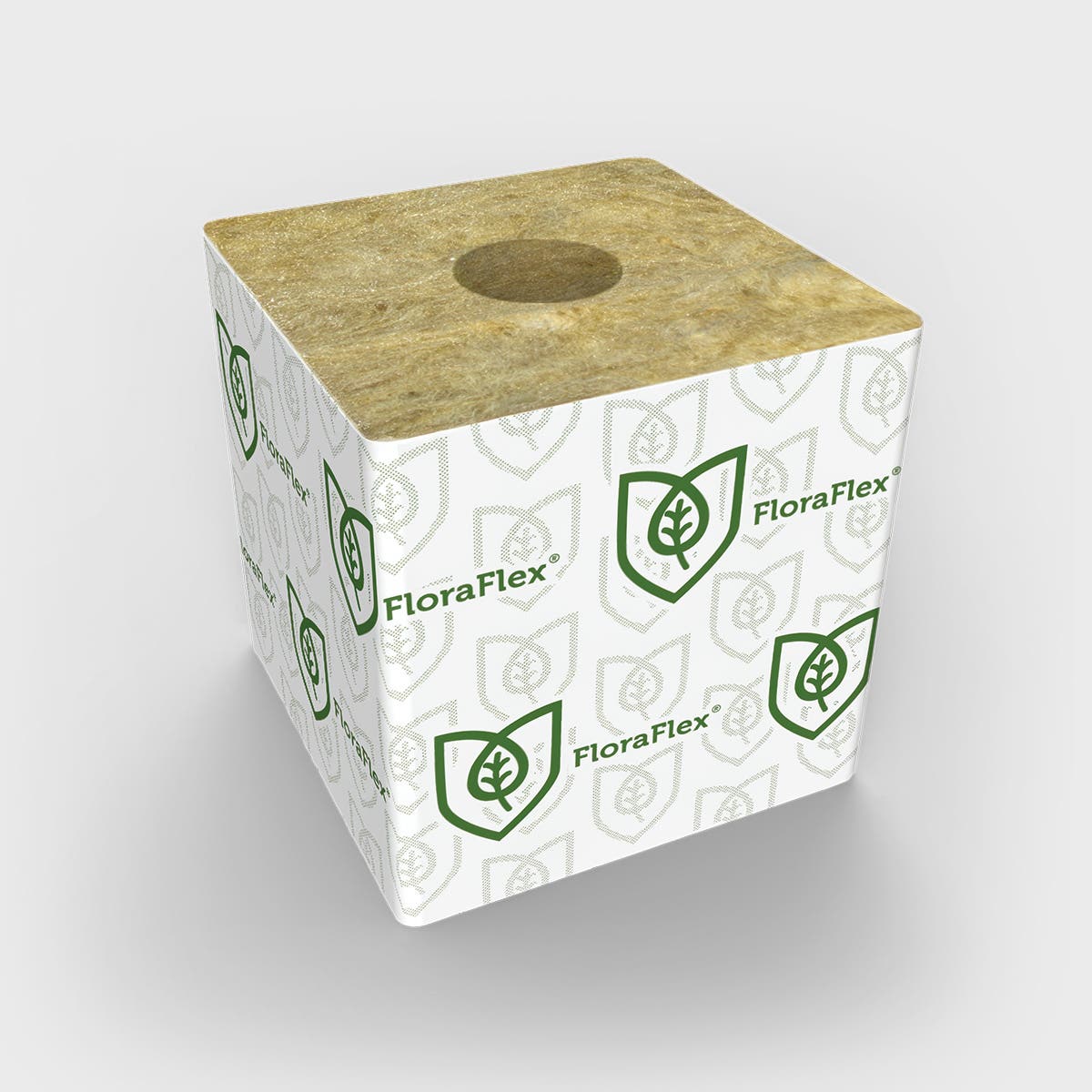
- Implement a Soil-Monitoring System: Keep an eye on soil health since many pests thrive in certain soil conditions which can be mitigated using products like the 6" FloraFlex Wool (Basalt Derived) FloraFlex Wool.
What Are the Best Practices for Managing Pest Infestations?
Once a pest infestation is detected, immediate action can prevent a minor problem from becoming a major one. Consider the following methods:
- Manual Removal: Physically remove visible pests from plants.
- Natural Predators: Introduce beneficial insects such as ladybugs or predatory mites to control pest populations naturally.
- Organic Pesticides: Utilize organic or biopesticides that are safe for use on cannabis plants. Always follow manufacturer usage instructions.
- Neem Oil: This natural insect repellent is effective against a wide range of pests. Apply cautiously to ensure it does not burn the plants.
Can Soil Affect Pest Management?
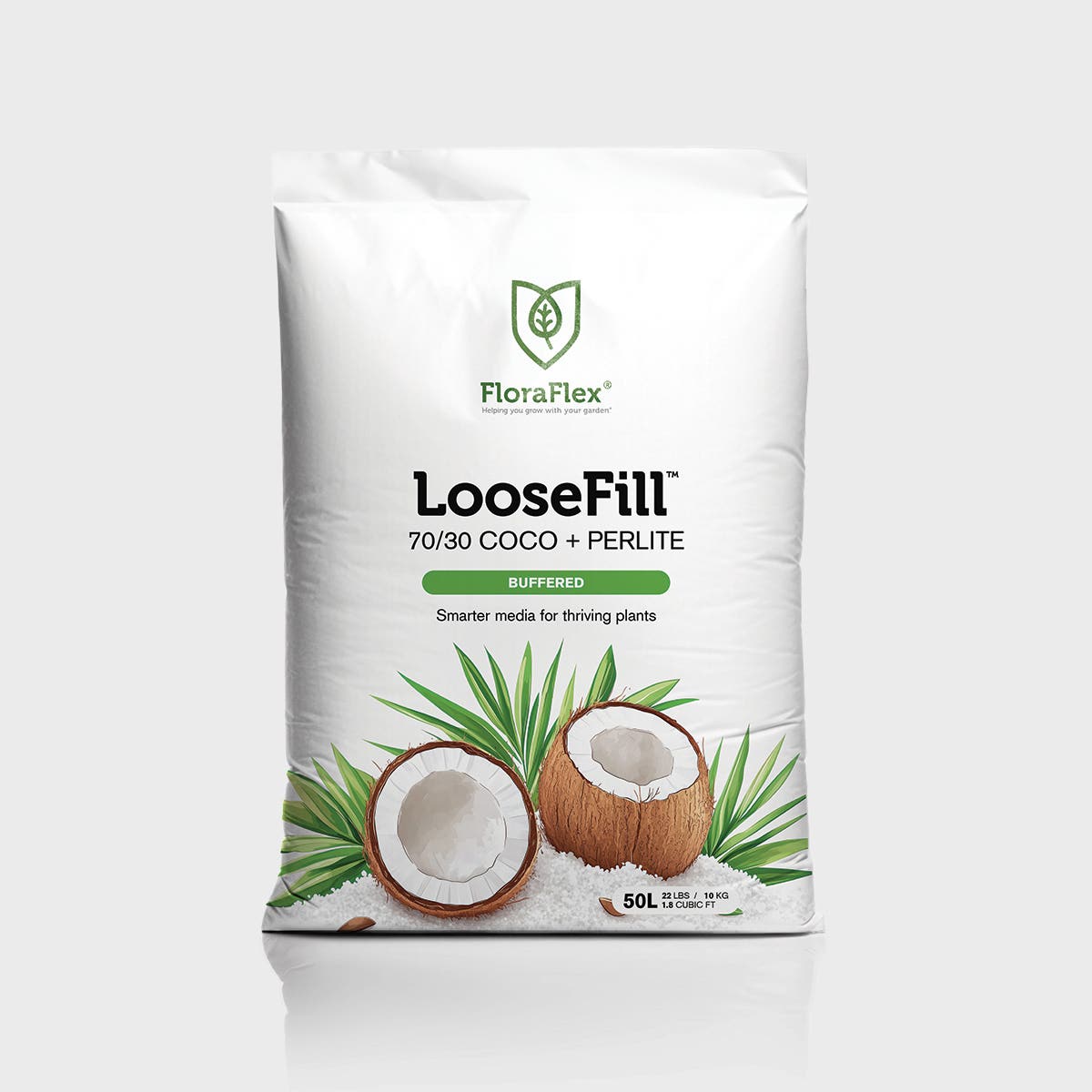
Yes, the type of soil and its condition can significantly influence pest management. Poor soil can create conditions conducive to pest infestations. Choosing the right substrate such as the Washed 50L LooseFill™ Bag | 70/30 Coco + Perlite 70/30 Coco + Perlite or the Washed 50L LooseFill™ Bag | 60% WHC Coco Coir 60% WHC Coco Coir can support the optimal health of your plants, indirectly reducing susceptibility to pests.
How Do I Choose Between Chemical and Organic Pest Management?
Your choice depends on various factors, including the severity of the infestation, cost, and personal preference regarding organic cultivation. Here's a comparison to help decide:
- Chemical Pesticides: Often provide fast action against pests. However, they can pose risks to plants and consumers if not used properly.
- Organic Methods: Environmentally friendly and safer for human consumption, but may require more time to see noticeable results.
Can Pests Affect the Quality of Cannabis?
Yes, pests can severely impact the quality of cannabis. Infestations can lead to:
- Poor Growth and Yield: Damage to leaves and stems reduces photosynthesis, leading to stunted growth and lower yields.
- Product Contamination: Pests can introduce molds and diseases, degrading the quality of the cannabis.
- Aesthetic and Potency Issues: Pests can cause visual damage and affect the potency by damaging trichomes.
Conclusion
Effective pest management in cannabis cultivation is essential for ensuring healthy plants and a successful harvest. By understanding common pests, taking preventive measures, and carefully choosing management strategies, growers can mitigate pest-related issues. Investing in quality products, such as those offered by FloraFlex, can enhance your pest management efforts.
To learn more about FloraFlex's extensive range of innovative gardening solutions, visit FloraFlex's website.
Remember that consistent monitoring and employing integrative pest management techniques will enable you to maintain high-quality cannabis plants, free from pest-related stress and damage.