
In recent years, the importance of sustainable and eco-friendly practices has become a pivotal topic. Organic gardening, in particular, has gained a resurgence in popularity as more people seek ways to contribute positively to the environment. DIY organic gardening is not only a rewarding hobby but also offers substantial environmental benefits. In this blog post, we will explore these benefits and offer some practical tips to help you get started on your own organic gardening journey.
Why Opt for Organic Gardening?
Organic gardening focuses on growing plants without the use of synthetic pesticides and fertilizers. This practice promotes the health of your plants, soil, and surrounding ecosystem. Here are some primary environmental benefits of organic gardening:
Soil Health and Biodiversity
Organic gardening enhances soil health by increasing its organic matter content. The use of organic fertilizers and compost instead of chemical fertilizers helps improve soil structure and promotes a rich and diverse ecosystem underfoot. Healthy soil is crucial for water retention and nutrient supply to your plants, reducing the need for additional external inputs.
Reduction in Chemical Runoff
Traditional gardening often employs chemical pesticides and fertilizers that can leach into the water supply, posing risks to aquatic life and drinking water sources. Organic gardening minimizes this issue by using natural pest control methods and organic fertilizers, which reduce toxic runoff and help maintain cleaner water supplies.
Support for Beneficial Insects
By eliminating chemical pesticides, organic gardens create a more welcoming environment for beneficial insects such as bees, butterflies, and ladybugs. These insects play essential roles in pollination and pest management, promoting plant health and productivity naturally.
Get Started with DIY Organic Gardening
Embarking on your organic gardening journey is simpler than you might think. Here are some tips to help you start:
- Choose the Right Plants: Opt for native and heirloom plant varieties that are naturally adapted to your local climate and soil conditions. These plants are often more resilient and require less intervention.
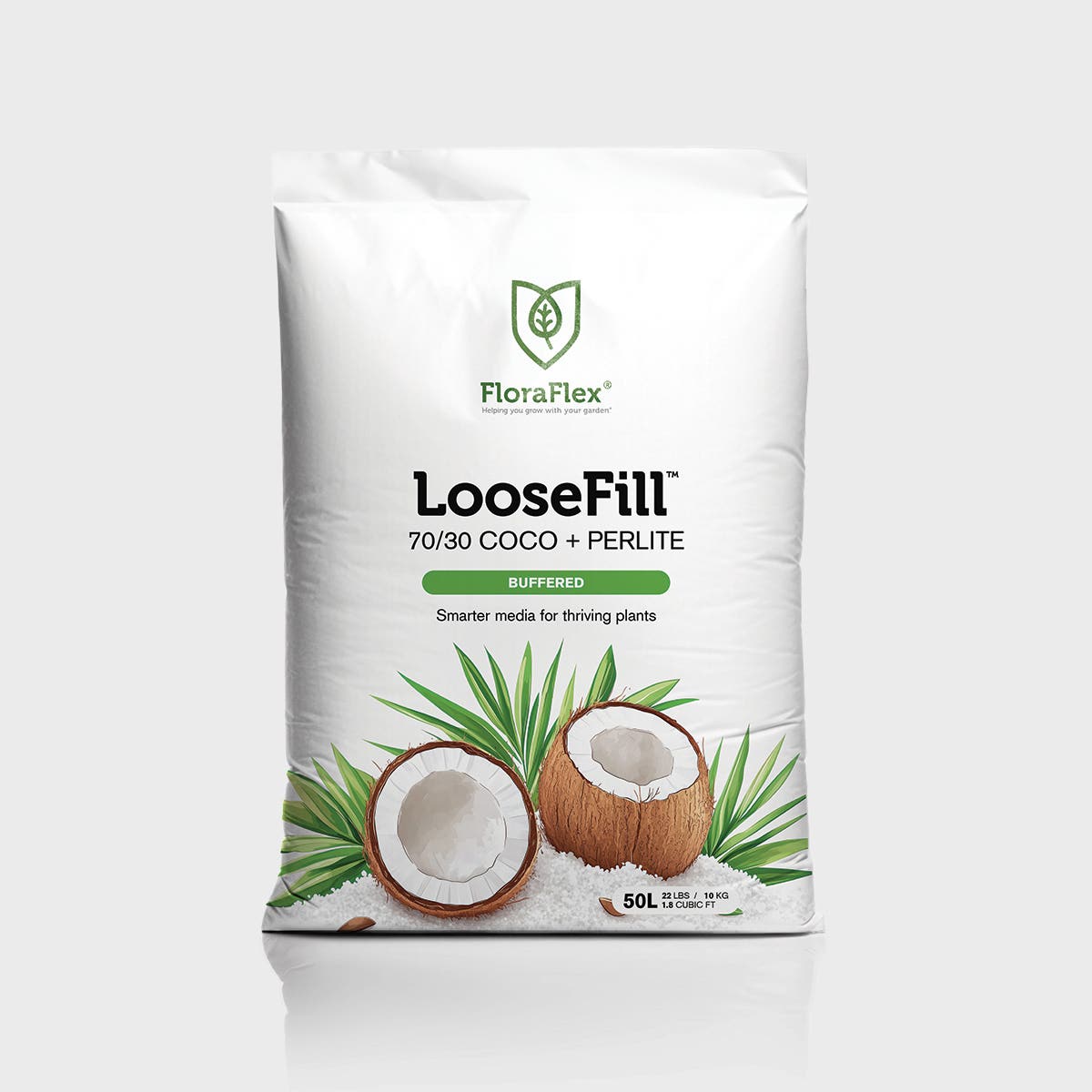
- Create Healthy Soil: Introduce organic matter such as compost or well-rotted manure to your garden beds to improve soil fertility. Not only does this enrich the soil, but it also creates a thriving environment for beneficial soil organisms.
- Implement Natural Pest Control: Use companion planting and natural deterrents like neem oil or diatomaceous earth to manage pests without resorting to chemicals.
- Water Efficiently: Use tools like the 1.5L Pump Sprayer to water your plants efficiently and effectively. This sprayer is ideal for applying natural liquid fertilizers and pesticides, ensuring that your plants receive the care they need without waste.
By taking these steps, you will contribute positively to the environment and enjoy the satisfaction of cultivating your own fresh produce. If you're eager to learn more about sustainable gardening practices or need more tools and resources, visit floraflex.com for a wealth of information and products designed to support your gardening journey.
Happy gardening!