Essential Questions Answered About Using LED Grow Lights
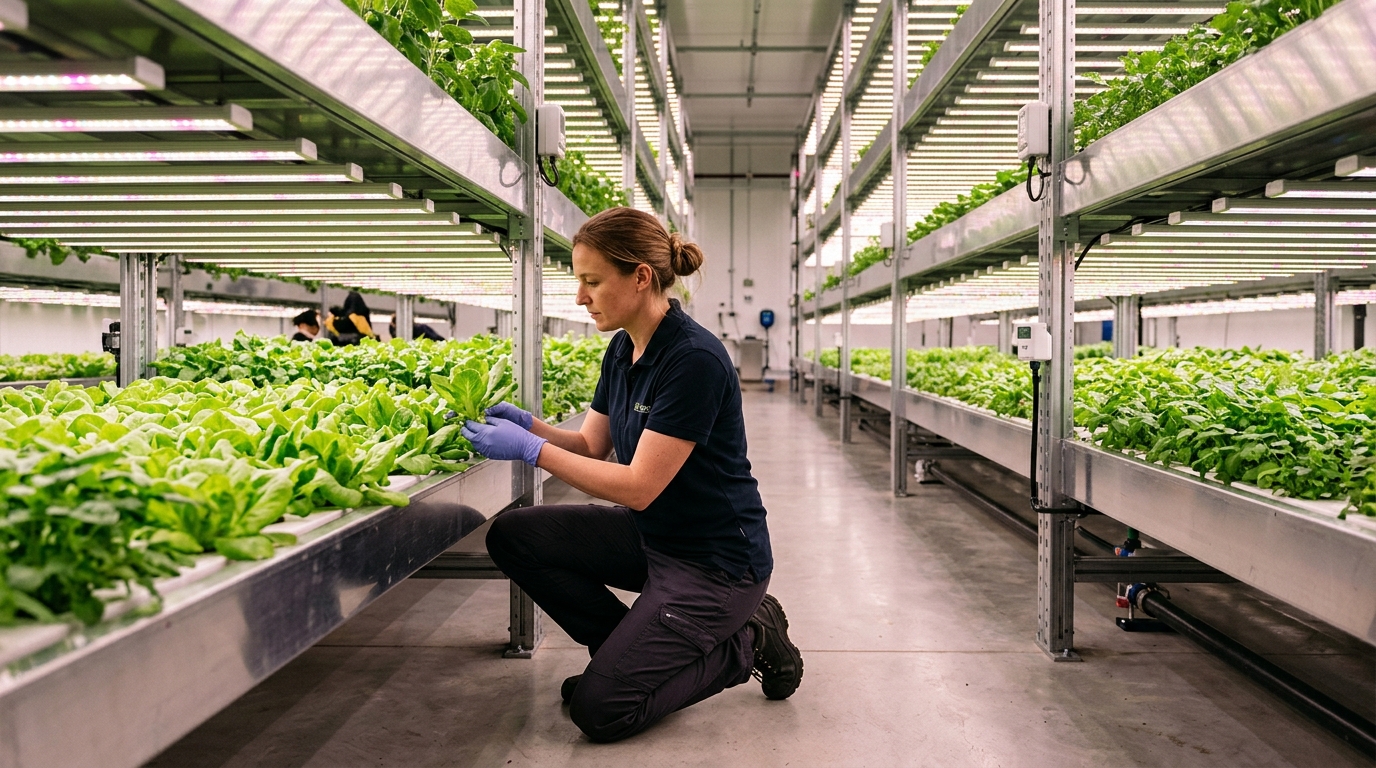
In recent years, LED grow lights have revolutionized indoor gardening and commercial cultivation. As more growers transition to LED lighting, questions about their usage and benefits have naturally arisen. In this blog post, we will tackle some essential questions about LED grow lights to help you make informed decisions for your gardening needs.
Why Choose LED Grow Lights?
LED grow lights are an excellent option for both novice and experienced growers because they provide numerous benefits:
- Energy Efficiency: LED lights consume significantly less energy compared to traditional lighting options such as HID or fluorescent lights. This efficiency translates into lower electricity costs.
- Longevity: LEDs typically have a longer lifespan, reducing the frequency of replacements and maintenance.
- Spectrum Control: Many LED systems have adjustable spectrums, allowing growers to tailor the light wavelengths to specific growth stages of their plants.
How Do LED Lights Affect Plant Growth?
LED grow lights are designed to emit specific wavelengths of light that are most effective for plant growth. Full spectrum LED grow lights, like the Patent Pending 400W Full Spectrum LED Grow Light with Custom Diodes, emit a combination of red, blue, and other wavelengths that mimic natural sunlight, promoting photosynthesis, flowering, and fruiting.
What Should You Consider When Choosing LED Grow Lights?
When selecting LED grow lights, consider the following factors:
- Power: The wattage of the light is crucial. It should match the size of your growing space. For larger areas, products such as the FloraFlex LED Light - 700W or the FloraFlex LED Light - 900W are suitable for providing ample coverage and intensity.
- Control Systems: The ability to easily adjust and control your lighting conditions can significantly impact plant health and yield. Consider investing in advanced control systems like the FloraFlex Master Lighting Controller 2 for precise management of light schedules and intensities.
Is There a Best Practice for Using LED Grow Lights?
Yes, optimizing the use of LED grow lights involves a few key practices:
- Distance from Canopy: Maintain the appropriate distance between the light and plants to ensure optimal light penetration and prevent leaf burn.
- Light Duration: Tailor your light cycle according to the plant species you are cultivating. Generally, plants require around 12-18 hours of light per day.
- Monitor Heat Levels: Although LEDs produce less heat, it is essential to maintain a suitable ambient temperature to avoid plant stress.
Final Thoughts
LED grow lights are a powerful tool in modern cultivation, offering efficiency and versatility. By understanding the basics of LED lighting and selecting the right products for your needs, you can enhance your indoor growing operations.
For a range of high-quality LED grow lights and equipment, visit FloraFlex. Whether you're interested in large-scale setups or customizable lighting solutions, FloraFlex has the products to support your growing endeavors.
Stay updated with our latest offerings and insights by visiting our website today!


