Comparing LED Grow Lights and Legacy Technologies Which Is Best for You
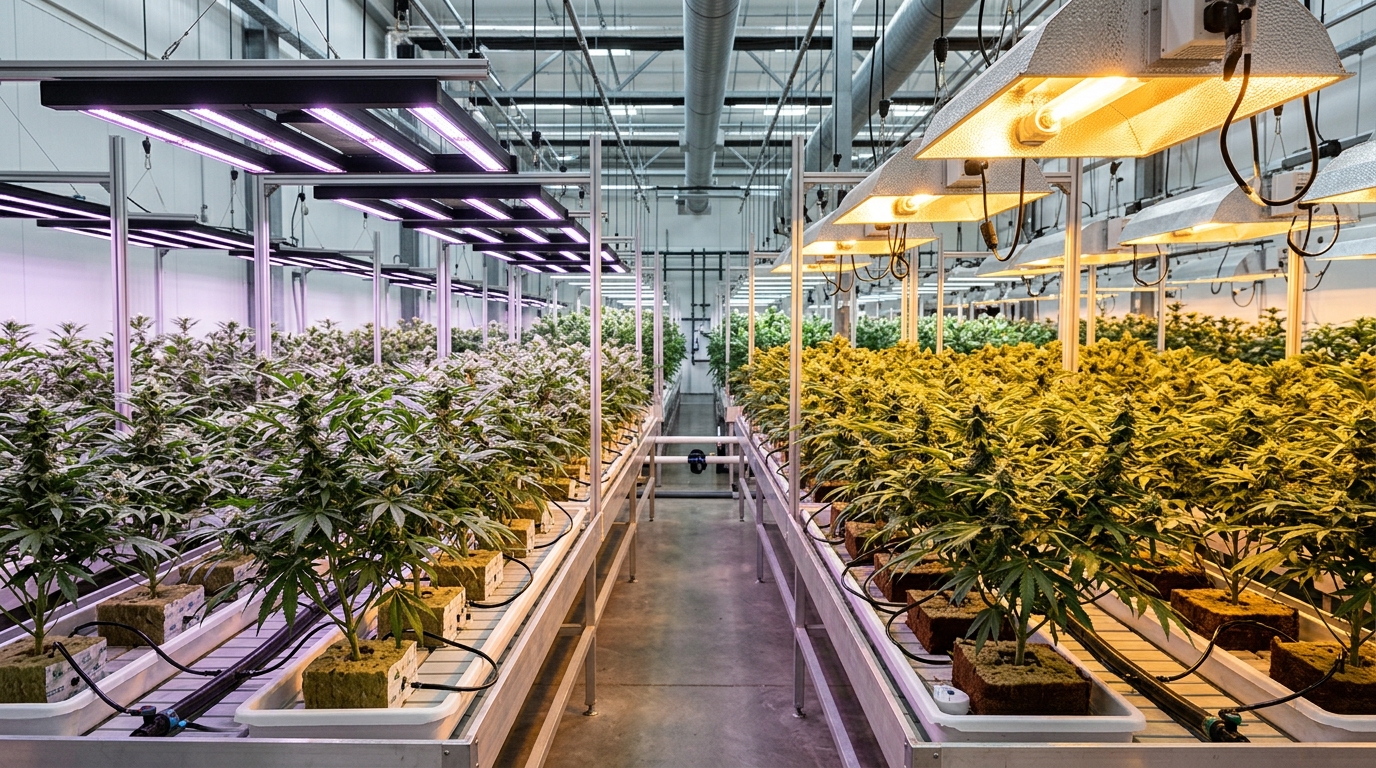
In recent years, the horticulture industry has seen dramatic advancements in grow light technology. Growers now have a plethora of lighting options tailored to meet their specific needs. Among these options, LED grow lights have emerged as a top choice, competing with legacy technologies such as High-Pressure Sodium (HPS), Metal Halide (MH), and Compact Fluorescent Lamps (CFL). This blog post will examine the pros and cons of LED grow lights versus these traditional technologies to help you make an informed decision about what works best for your growing setup.
Why Choose LED Grow Lights?
LED grow lights, such as those offered by FloraFlex, are becoming increasingly popular due to their energy efficiency and long lifespan. Here are some compelling reasons to consider LEDs:
- Energy Efficiency: LED grow lights utilize significantly less energy than traditional grow lights. This results in lower electricity bills and decreased environmental impact.
- Spectrum Control: Modern LED grow lights like the Patent Pending 900W Full Spectrum LED Grow Light with Custom Diodes provide a full spectrum of light that closely mimics natural sunlight. This allows for optimal plant growth at all stages of the growth cycle.
- Heat Output: LED grow lights produce less heat compared to HPS or MH systems, reducing the need for additional cooling equipment and minimizing the risk of heat stress on plants.
- Longevity: LEDs often last for 50,000 hours or more, compared to the shorter lifespan of HPS or CFL bulbs. For instance, FloraFlex's LED Light - 900W | Pallet | 60ct is a solid choice for long-term use.
Comparing with Legacy Technologies
High-Pressure Sodium (HPS)
HPS lights are known for their high output and effectiveness for flowering plants but have drawbacks, including:
- High Energy Consumption: HPS systems require a large amount of electricity, which can increase costs over time.
- Heat Production: They generate high levels of heat, necessitating robust ventilation systems to maintain optimal growing conditions.
Metal Halide (MH)
MH lights are favorable for vegetative growth but have their own set of limitations:
- Limited Spectrum: These bulbs are primarily efficient for the initial growth stages and may require supplementation to achieve full-spectrum lighting for flowering stages.
- Frequent Replacement: MH lights generally need to be replaced more often than LEDs, adding to maintenance costs.
Compact Fluorescent Lamps (CFL)
Compact Fluorescent Lamps are another alternative, often used for small-scale or hobbyist grows:
- Lower Cost: CFLs are typically cheaper upfront but deliver less yield compared to LEDs and other systems.
- Efficiency and Spectrum Range: CFLs are less efficient in terms of energy use and don't provide as broad a light spectrum as LEDs, affecting overall plant growth quality.
Investing in LED Technology
Transitioning to LED grow lights can initially seem costly but often represents a wise investment when considering operational efficiency and plant yields over time. For those looking to scale their operations, FloraFlex offers a variety of professional-grade LED systems such as the FloraFlex LED Light - 700W | Pallet | 78ct and the indispensable 120V LED Power Cord | 10FT | Case for seamless installations.
For more information on our range of LED grow lights, visit FloraFlex.
By understanding the differences between LED and legacy grow light technologies, you can make a more informed decision that aligns with your growing goals and energy efficiency needs. LEDs may require a greater initial investment, but their long-term benefits often far outweigh the costs associated with older lighting systems.


