Comparing Energy Consumption Between LED Lights and Traditional Grow Lights
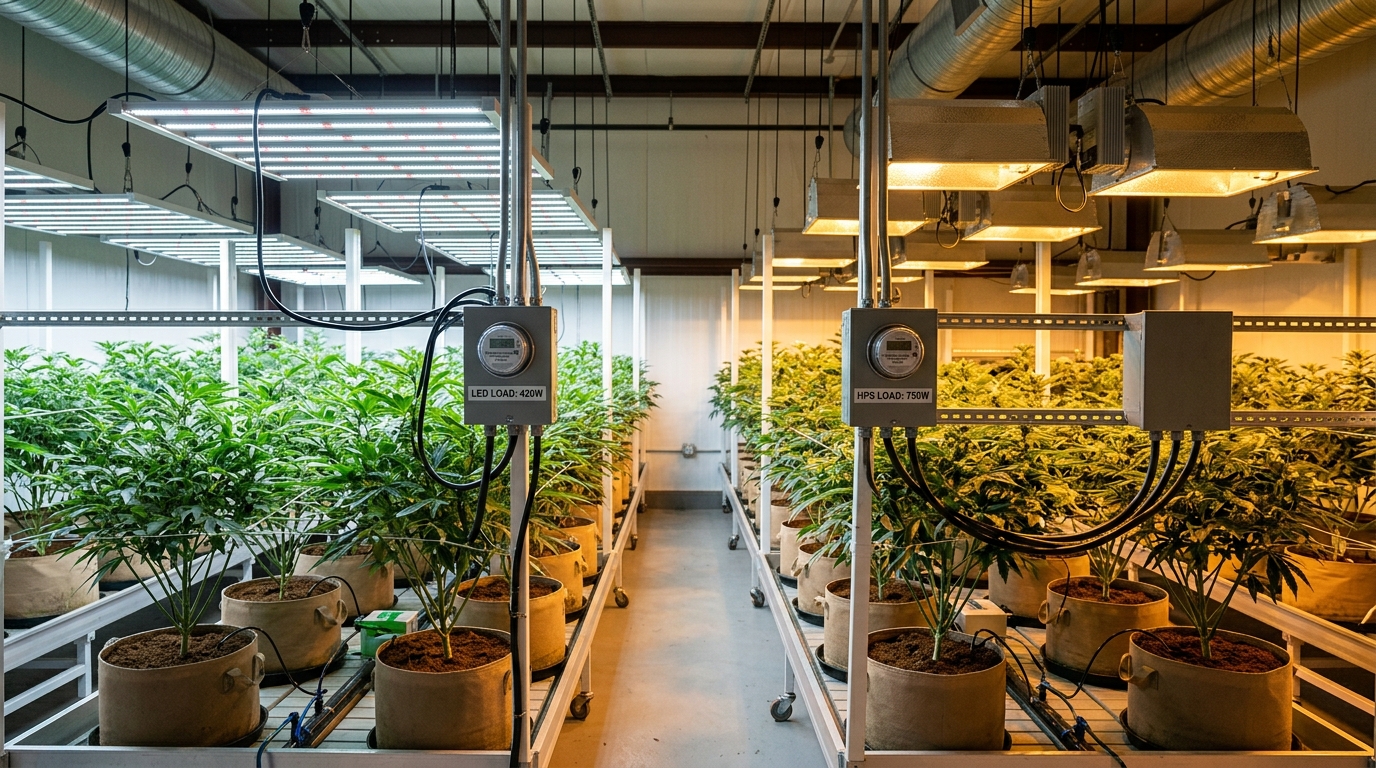
The rapid advancements in grow light technology have brought a critical choice to the forefront for indoor growers: LED lights versus traditional grow lights. This decision not only impacts plant growth and health but can also lead to significant differences in energy consumption and cost efficiency. By understanding these differences, growers can make more informed choices that align with their cultivation goals and environmental values.
Energy Efficiency of LED Lights
LED lights have emerged as a game-changing technology in the horticultural field due to their unparalleled energy efficiency. Unlike traditional grow lights such as high-pressure sodium (HPS) and metal halide (MH) lamps, LEDs convert a higher percentage of electricity into usable light. This efficiency is partly due to their ability to emit light in specific wavelengths that are most beneficial for photosynthesis, reducing wasted energy.
For instance, the Patent Pending 900W Full Spectrum LED Grow Light with Custom Diodes by FloraFlex offers an innovative solution with its tailored light spectrum that optimizes plant growth while minimizing energy consumption. Similarly, the Patent Pending 400W Full Spectrum LED Grow Light with Custom Diodes provides a compact and efficient alternative for spaces where 900W might be excessive.
Traditional Grow Light Drawbacks
Traditional grow lights, while historically popular, often fall short in energy efficiency. These lights generally produce a significant amount of heat, which can lead to increased energy demands for cooling systems to maintain optimal grow room temperatures. Moreover, they tend to have shorter lifespans, necessitating frequent replacements, thereby increasing both energy and material costs over time.
The Cost Savings of LEDs
The initial investment in LED lighting can be higher than traditional options. However, the long-term savings often justify the upfront cost due to their lower energy consumption and reduced need for replacements. Furthermore, LEDs have longer lifespans, which translates to fewer maintenance interventions and further cost reductions over time.
For growers looking to manage their setups more effectively, the FloraFlex Master Lighting Controller 2 | 6ct offers precision control over light cycles and intensity, ensuring that plants receive exactly what they need while optimizing energy use.
Conclusion
When it comes to energy consumption, LED lights present a clear advantage over traditional grow lights. By choosing LEDs, growers not only benefit from reduced electricity bills but also contribute to a more sustainable and environmentally friendly cultivation practice. For those ready to make the switch or upgrade their current setup, exploring FloraFlex’s offerings such as their FloraFlex LED Light - 700W | Pallet | 78ct may be an excellent starting point.
Explore these options and more by visiting FloraFlex’s official website here.


