
Container gardening is an excellent way to bring the joy of gardening to those with limited space or poor soil conditions. However, even this convenient method is not free from challenges. Let’s dive into some common soil issues in container gardening and explore solutions to ensure your plants thrive.
1. Understand Your Soil
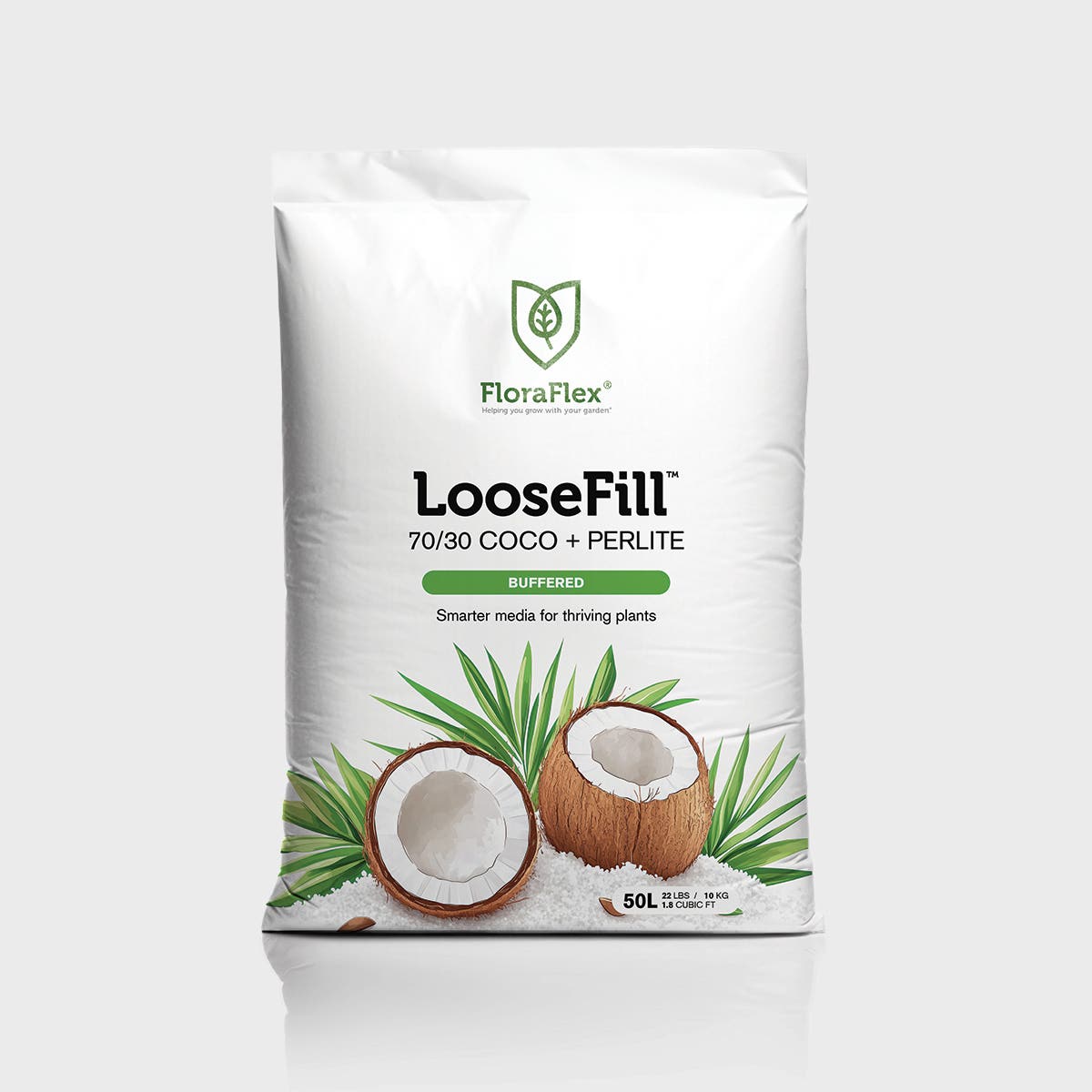
Before addressing any soil issues, it's crucial to understand the media you're working with. Unlike ground soil, the soil for container gardening tends to dry out faster and requires different management strategies to maintain optimal plant health.
2. Soil Compaction
One of the most common issues in container gardening is soil compaction. Compacted soil can restrict root growth and reduce oxygen availability. Regularly loosening the top layer of your container soil and using a well-aerated soil mix can help prevent this issue. Another tip is to use a pump sprayer for effective and gentle watering. Consider the 1.5L Pump Sprayer from FloraFlex to ensure an even distribution of water without causing soil disruption.
3. Drainage Problems
Improper drainage can lead to waterlogged soil, resulting in root rot and plant stress. Ensure your containers have ample drainage holes and consider adding a layer of small rocks or a mesh at the bottom to improve water flow. Regular use of a sprayer, such as the Flora Sprayer | 1.5L | Case, can help control the amount of water added to your plants, aiding in maintaining ideal moisture levels.
4. Nutrient Deficiencies
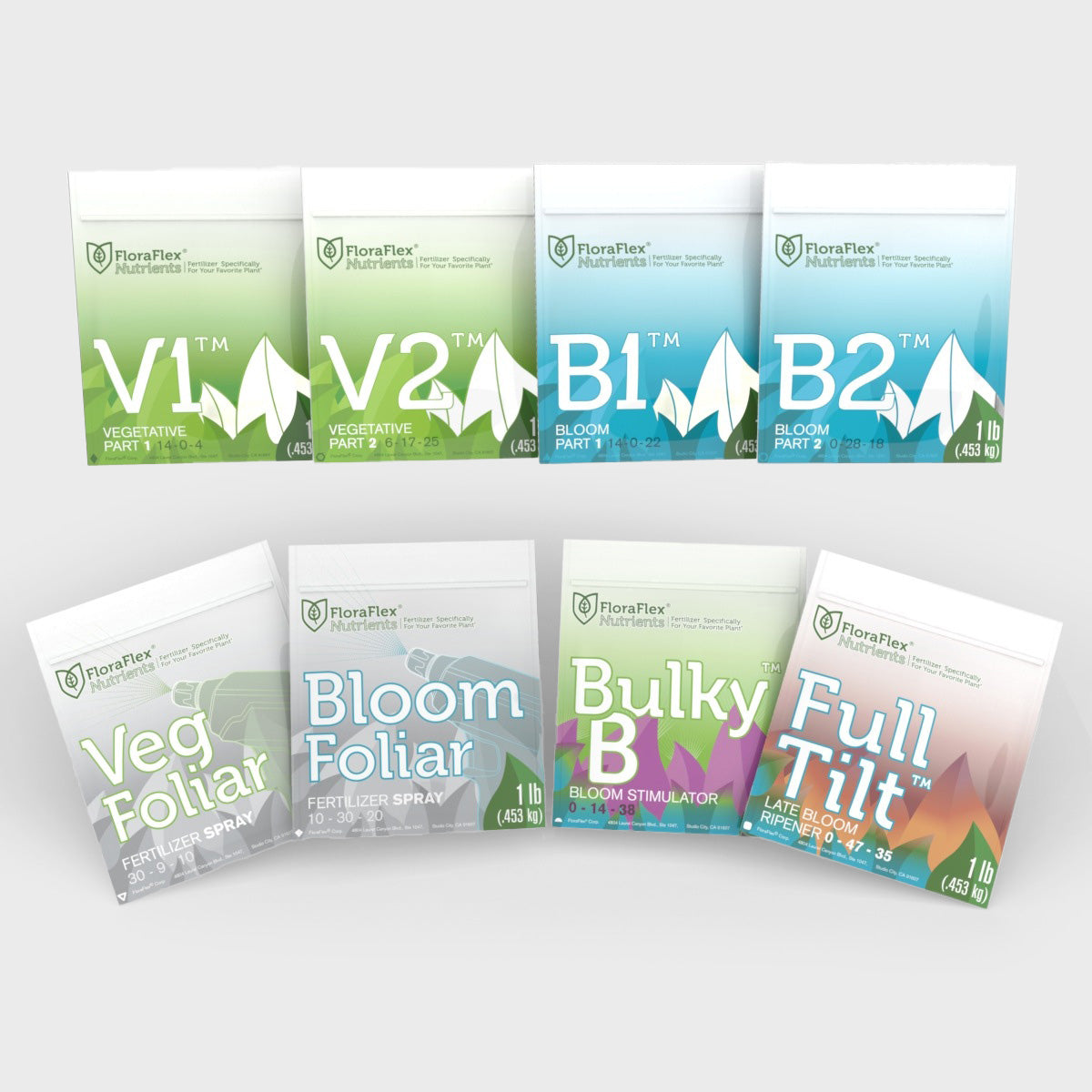
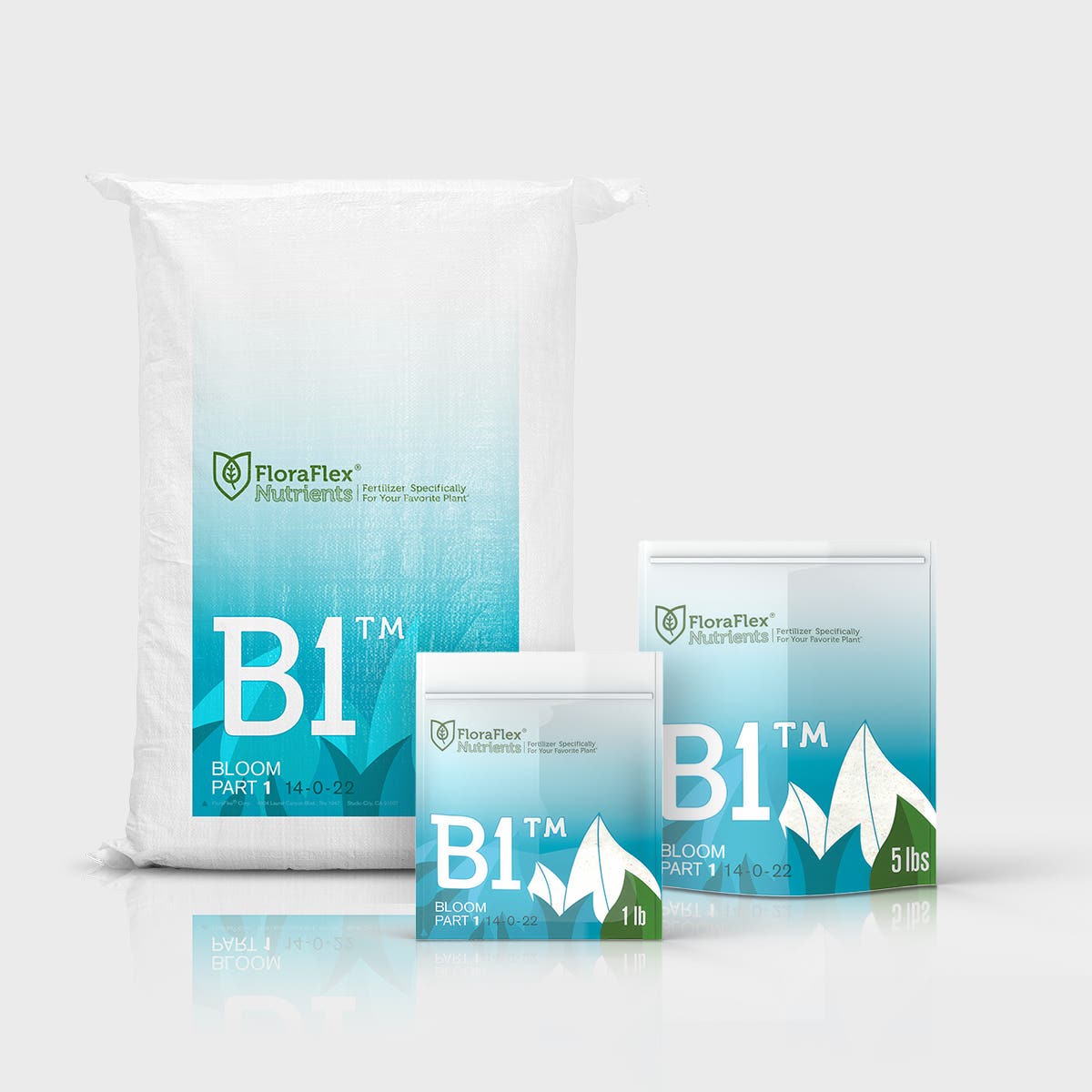
Container plants are more susceptible to nutrient deficiencies due to the limited soil volume. Regularly replenish your soil with organic matter and consider using a liquid fertilizer to provide ample nutrients. Monitor your plants for signs of deficiency, such as yellowing leaves, and address them promptly to keep your containers thriving.
5. pH Imbalance
pH imbalance can affect nutrient uptake in container plants. Test your soil's pH level and adjust as necessary by adding lime to raise pH or sulfur to lower it. Maintaining the correct pH level ensures that your plants can efficiently absorb the nutrients available to them.
Conclusion
Solving these soil issues in container gardening involves understanding your plant's needs and employing the right tools and strategies. By taking proactive measures, you can enjoy a lush and productive garden, even in containers. For more information and resources on effective gardening solutions, visit FloraFlex.
Happy gardening, and may your containers flourish with life!